Vocational Training and Education in Congo

From child support to a growing skills and education hub in Kinshasa

What is happening at the  Bana Mayele (Smart Children) center today is not the result of a single blueprint, but of consistent presence and hands on involvement over time.

Since 2021, Sponsorship Network International (SNI) has supported the development of the Bana Mayele Center in Kinshasa, Democratic Republic of Congo.

What began as a project focused on child care and education has grown into a broader initiative — supporting both children and youth from surrounding communities.

to provide a safe place for children facing difficult circumstances — a place where they could live, learn, and begin to heal trauma and rebuild stability in their lives.

Over the past five years, that steady support has allowed something tangible to take shape.

From a safe home, to a place of education, and now to a growing center for skills and opportunity — each step has built on the last.

From Care to Opportunity

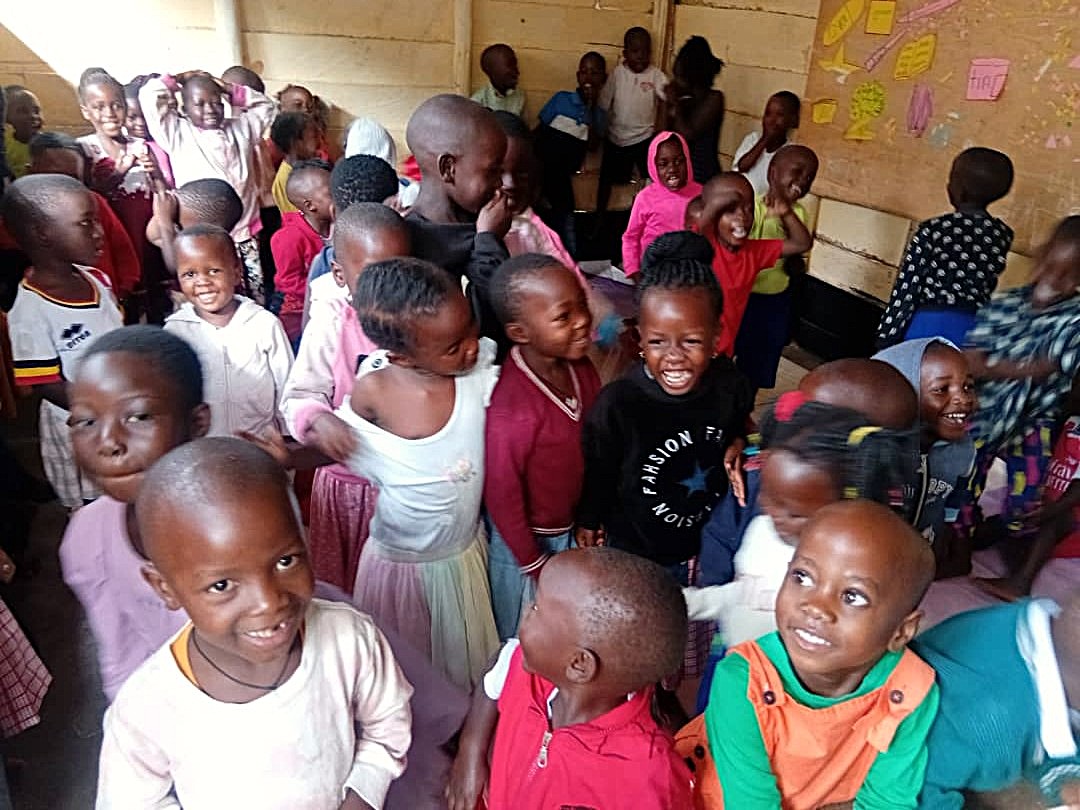
Today, Bana Mayele continues to support close to a hundred children full-time, providing care, structure, and access to education. But as these children grow older, their needs begin to change.

Over time, a new need became clear:
young people require not only education, but also practical skills to become independent.

Creating Opportunities Through Skills, Vocational Training for Youth in Congo

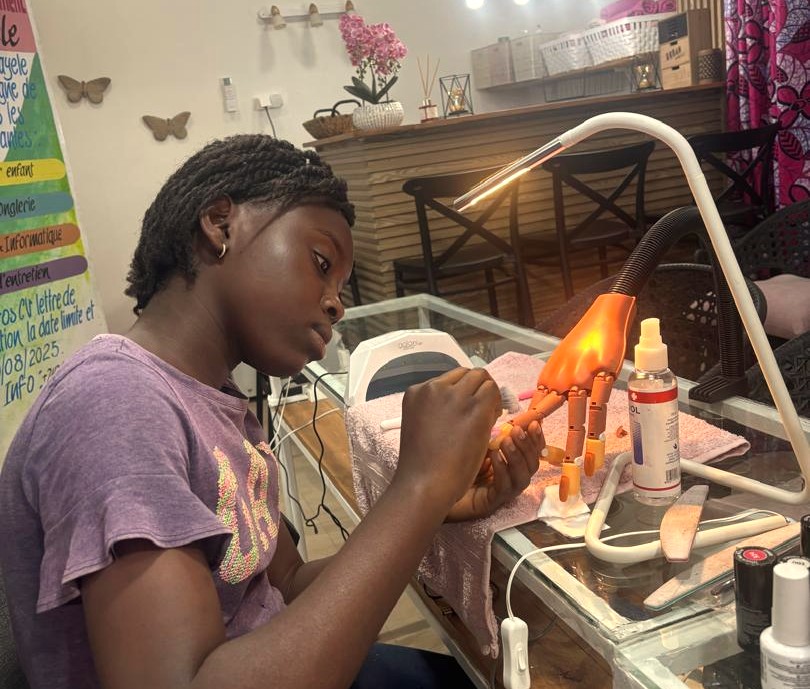
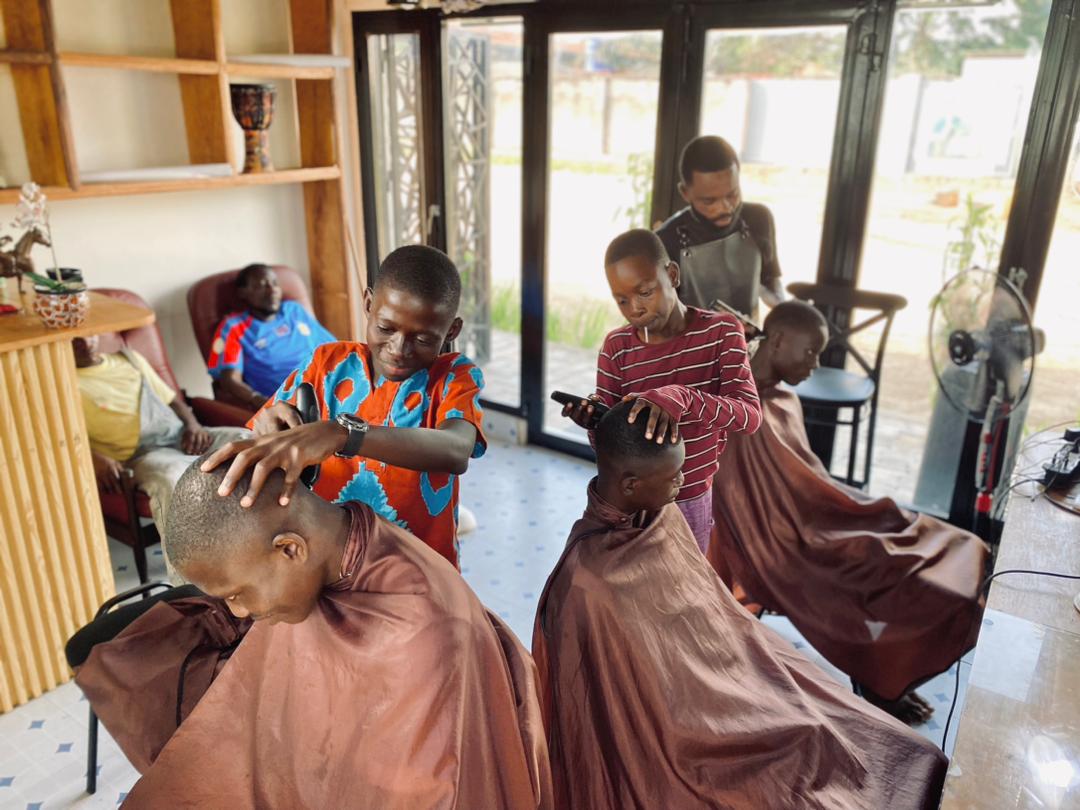
To address this, Bana Mayele has developed a vocational training program in Congo, offering hands-on skills that can lead directly to income opportunities.

The goal is simple: to give young people the tools they need to move toward independence. The training focuses on hands-on, income-generating skills, including:

  • Welding and metalwork
  • Aesthetics and beauty services (cosmetics, nails, hairdressing, barbering)
  • Cooking and food preparation
  • IT and digital basics
  • Sewing and tailoring
  • Gardening
  • Interior design and art
  • House painting

Participants also receive language support in French and English, improving their ability to work and communicate.

At the end of their training, they receive a certificate of completion and a basic starter kit.

Expanding Impact Beyond the Center

What started as a shelter for vulnerable children who have suffered from violent atrocities is now a thriving oasis of hope.

While the center continues to care for children living there, the training programs are beginning to include youngsters from surrounding communities — extending the impact beyond the walls of Bana Mayele.

The program now reaches not only children living at Bana Mayele, but also youth from surrounding communities in Kinshasa.

This expansion reflects the growing role of Bana Mayele as a community education and training hub.

Building Long-Term Change

The development of Bana Mayele shows how long-term support can evolve into broader impact.

From a basic shelter and education to vocational training and employment pathways, each phase builds on the last.

There is a strong need for vocational education in Congo, particularly for youth without access to higher education.

By continuing to develop this model, Bana Mayele can expand its reach and provide more young people with the tools they need to build independent lives.

Looking Ahead

While the vocational training hub is still developing, and like everything at Bana Mayele, it is growing step by step.

But it already reflects something important:
when support remains steady, it creates space for growth that goes beyond the original intention.

The vision for Bana Mayele continues to evolve — from care, to education, to opportunity.

It is about helping young people move from being supported to becoming self-reliant, and eventually shaping their own future.

Strengthening Education in Uganda and Zambia

How school development and community support are creating lasting impact

Across the projects SNI supports, progress often comes step by step — not through big announcements, but through practical improvements that make daily life more stable for children and communities.

In many parts of Uganda and Zambia, access to stable education and basic infrastructure remains a challenge. Through ongoing support, we are helping schools and communities strengthen their daily environment — creating better conditions for children to learn, grow, and stay in school.

This progress is clearly visible in the continued development of the Upendo School on Ssese Island, Uganda.

Upendo School, Ssese Island: Expanding Education Where It’s Needed

The Upendo School on Ssese Island has grown steadily over the past years. What began as a response to urgent needs — including rebuilding after multiple fires, a hurricane. Continually improving sanitation, and creating access to education — is now a school that children actively want to attend.

Originally, the school offered classes up to Primary 3, with plans for older students to transition into government schools. However, many children desired to be allowed to stay.

As one local partner shared:
“We asked their parents to take them to a government school, but they wouldn’t leave… they kept asking us to take them back.”

In response, a new classroom was built, allowing the school to expand to Primary 4 — ensuring that children can continue their education in a familiar and supportive environment.

Classroom for grade 4 at Upendo School
Upendo School in Lutoboka, Ssese Island
Improving School Infrastructure and Daily Conditions

To support the growing number of students, several important improvements were made:

  • Installation of a stone cooking stove, enabling the preparation of daily meals for hundreds of children
  • Upgrading the schoolyard with stone covering, reducing mud during the rainy season
  • Construction of new benches and tables, improving classroom conditions
  • Installation of a rainwater harvesting system, providing water for sanitation facilities

These improvements strengthen not only the learning environment, but also the health, safety, and daily stability of the children.

Zambia: Enabling Education Through Mobility

In Lusaka, Zambia, SNI supported the purchase of a new vehicle for the Brilliant Kids School — a practical but essential step in strengthening the school’s ability to operate effectively.

For the school, this vehicle is not a luxury — it is a tool that enables the work to continue.

It allows the team to manage school operations more efficiently.

In environments where infrastructure can be limited, mobility plays a key role in ensuring that children can access education consistently.

Supporting Education Through Practical Solutions

Across both Uganda and Zambia, the focus remains the same: supporting education through practical, real-world improvements.

Whether it is a classroom, a meal, or a means of transport, these are the elements that allow children to attend school consistently and build a future.

What connects these efforts is a shared approach:
listening, adapting, and responding to what is actually needed.

These are practical changes — but they carry real meaning for the children and communities involved.

Building Opportunity Through Education

Supporting vulnerable communities through local partnerships in Cebu & Bohol

In the Philippines, inhabitants with very limited resources suffer from natural disasters, unstable housing, and uncertain income. For children growing up in these conditions, education is not always a given possibility.

This is where SNI’s work quietly steps in — not with quick fixes, but with steady, practical support that helps create  more stability over time.

A Place to Learn, and Simply Be a Child

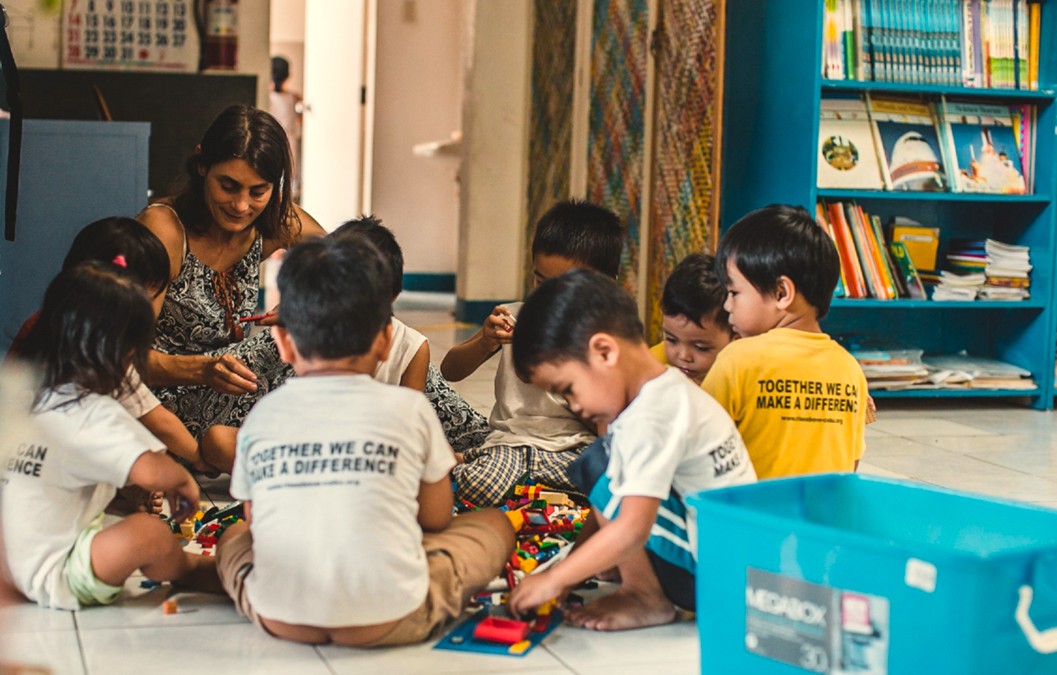
SNI supports community-based centers where children can come each day to learn, eat, and feel safe. For many, these spaces offer something they don’t often experience elsewhere: routine.

Here, the day has structure. There is time to learn, to play, and to be together. Small things matter — washing hands before meals, brushing teeth, sitting down together to eat. These are simple habits, but they build a sense of normalcy and care.

Just as important are the relationships. Children learn how to treat one another with respect, how to work together, and how to be part of a group. Over time, you can see the difference — in their confidence, in how they interact, in how they begin to see themselves.

Supporting Families Along the Way

Behind every child is a family doing its best to cope with difficult circumstances. Supporting children means supporting those families too.

Through livelihood initiatives, mothers are given the chance to earn an income — for example by creating bags from upcycled materials, learning gardening, sewing, jewelry making. It may seem like a small step, but it can ease daily pressure in a very real way.

When there is even a little more stability at home, children feel it. It becomes easier for them to stay in school, to focus, and to imagine a future that looks different from today.

Starting Early: The Importance of the STEPS Program

In many underserved communities, children begin elementary school without the basic skills needed to succeed. This gap is often not due to lack of ability, but to limited access to early learning opportunities — especially in areas where families are focused on meeting immediate needs.

The STEPS (Specialized Training and Education for Progressive Students) program addresses this challenge by focusing on early childhood education.

By providing structured preschool learning, the program helps children:

  • Build early literacy and numeracy skills
  • Develop confidence and social interaction
  • Become familiar with a learning environment
  • Grow curiosity and readiness for school

To expand this program to additional communities, new classroom space is being developed — creating a safe and dedicated environment where more children can access early education.

This early intervention is particularly important in communities affected by instability, as it helps children build the foundation they need to continue learning despite challenging circumstances.

STEPS children's graduation
Building Stability Through Long-Term Commitment

What connects these initiatives is a shared understanding: meaningful change takes time.

By supporting both education and family stability, these programs go beyond short-term solutions. They create environments where children can grow consistently, even when external conditions remain uncertain.

For many families, this support represents more than access to education — it creates a sense of stability, possibility, and forward movement in situations where these are often difficult to maintain.

Through our continued partnership with local organizations in Cebu and Bohol, SNI remains committed to this steady, long-term approach.

Looking Ahead

The need for accessible, quality education remains significant, particularly in communities that are vulnerable to economic and environmental challenges. Expanding early childhood education and strengthening community-based support systems will continue to be key priorities.

With continued support, these initiatives can reach more children at a critical stage in their development — helping them build the skills and confidence they need to navigate an uncertain future.

DRC – The Next Chapter

Hello everyone, this is Michel Steiner, checking in from my latest visit to the Bana Mayele Educational Centre in Kinshasa, Congo.

This being my fourth visit to Kinshasa, the sights, sounds, and smells of Congo were now familiar to me. At last, after a 22-hour trip from Zurich, the gates of the compound were open before us and the first glace into the central yard was a pleasant contrast from the poverty, dirt and confusion that was part of the reality for the 16 million inhabitants that surrounded us. The various quarters of the facility, all lighted in the midnight sky with garden lamps giving it an almost surreal atmosphere. 

First impressions

Morning Excitement

The next morning after coffee the excitement mounted as we toured the grounds to see what changes had taken place since our last visit. The dining hall and kitchen showed the most striking transformation from just a year ago. 

Transformations at Bana Mayele

Fully outfitted, decorated and able to cater to up to 300 guests, capable of hosting occasional weddings and funerals as a potential self-sustainment and vocational training possibility for the young inhabitants of the Centre the final piece of the operational infrastructure was in place. From now on the focus could be transitioned to education, expansion and further development and improvement of the program.

Team Dynamics

My assignment was unique this year – film director. I embarked on a new challenge to my already broad spectrum of responsibilities as the Founder and Director of SNI; that being, to help present Bana Mayele to the world. With camera and microphone in hand, a dedicated team member and I set out to showcase the realities of central Africa to those who have never experienced this part of the world.

The Power of Volunteering

My travel companion, Joachim from Germany, a former professional sports car racer, mechanical engineer, electrician and general all-rounder, jumped straight into any task that he could find needed improvement to keep his active mind productive. After checking the water tanks, inspecting the pump system, he turned his capabilities to the two vehicles used daily. Clearly, he was in his element, as a volunteer he brought his most valuable assets to Congo, know-how and initiative.

High Gear Operations

By the second day, our full team had arrived and our operation moved into high gear. With volunteers taking on roles such as sports trainers holding activities and games, teachers passing on the basics of English while learning from the kids the local language themselves, medics to help the doctors on site and a wide variety of other responsibilities, each individual was in good spirits, ready to help tackle new challenges every day at Bana Mayele.

Reflecting on the Journey

As I reflect on this incredible journey, I’m filled with gratitude for the dedicated team, our local Project Manager Madlen, and volunteers who bring their skills, passion, and heart to Bana Mayele. Each visit renews my commitment to this mission and strengthens my resolve to continue expanding our reach. 

Looking to the Future

Together, we are making a tangible difference in the lives of these children, offering them not just a place to learn, but a place to thrive. As we look to the future, our goal remains clear: to provide even more children with the opportunities they deserve, and to nurture their potential in an environment where they can truly flourish.

Bringing Hope to Uganda: Our Recent Quest

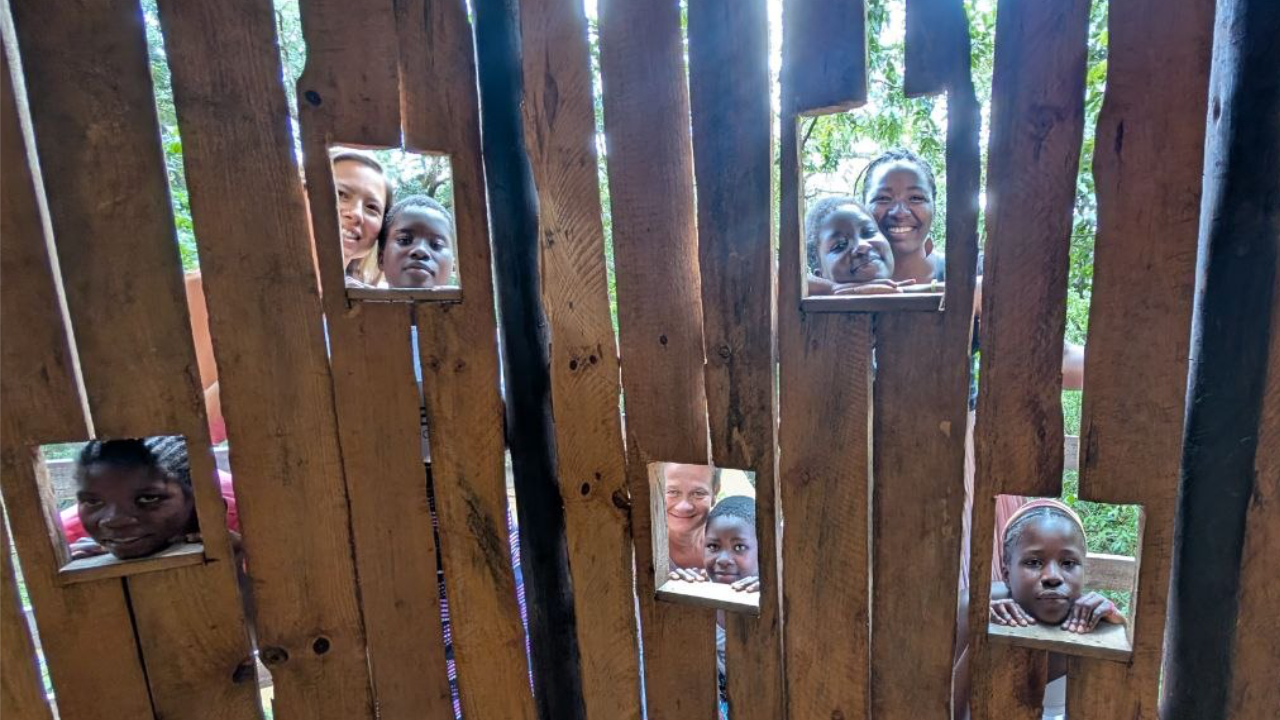
We’re thrilled to share the impact of our recent journey to Uganda, where we brought hope and assistance to those in need. Our mission took us to the capital, Kampala and to the Fort Portal region near the East Congo border. We encountered both the breathtaking landscapes and the pressing challenges faced by local communities.

Uganda is home to some of the largest refugee populations globally, a stark reminder of the ongoing conflicts that have plagued the region for decades. Most refugees come from South Sudan (57%), the Democratic Republic of the Congo (32%), Somalia (3%), and Burundi (3%), all in search of safety and stability.

Despite these challenges, our team with ‘Anything for a Smile’ – the partnering NGO and other local organizations and volunteers, – made a meaningful impact. We conducted hospital visits, providing essential medical care and health education to those in need. Additionally, we brightened pediatric wards with vibrant mural paintings, bringing joy and comfort to young patients and their families in their time of need.

Our efforts extended beyond healthcare, as we also visited rural schools to provide educational support and resources to underserved children. These visits were particularly poignant as we witnessed firsthand the resilience and determination of young students and teachers in the face of poor conditions and adversity.

Our collaboration with the medical team was instrumental in ensuring our efforts reached remote villages and underserved populations, reflecting our commitment to leaving no one behind.

As we reflect on our journey, we recognize that the need for ongoing support within Africa , as well as in Uganda is imminent. We extend our heartfelt gratitude to all who supported us and urge continued solidarity in our shared mission of compassion and service.

Stay tuned for more updates on our efforts and how you can get involved in bringing hope to communities in Africa!

Sponsorhip Network Intl.

[email protected]

Allmendstr. 37, 8914
Aeugst am Albis,
Switzerland

Newsletter

Sign up for our newsletter to be the first to hear about our latest plans, achievements, and news.

Preferred language:

Connect With Us

© 2026 Sponsorship Network International. All rights reserved.