Vocational Training and Education in Congo

From child support to a growing skills and education hub in Kinshasa

What is happening at the  Bana Mayele (Smart Children) center today is not the result of a single blueprint, but of consistent presence and hands on involvement over time.

Since 2021, Sponsorship Network International (SNI) has supported the development of the Bana Mayele Center in Kinshasa, Democratic Republic of Congo.

What began as a project focused on child care and education has grown into a broader initiative — supporting both children and youth from surrounding communities.

to provide a safe place for children facing difficult circumstances — a place where they could live, learn, and begin to heal trauma and rebuild stability in their lives.

Over the past five years, that steady support has allowed something tangible to take shape.

From a safe home, to a place of education, and now to a growing center for skills and opportunity — each step has built on the last.

From Care to Opportunity

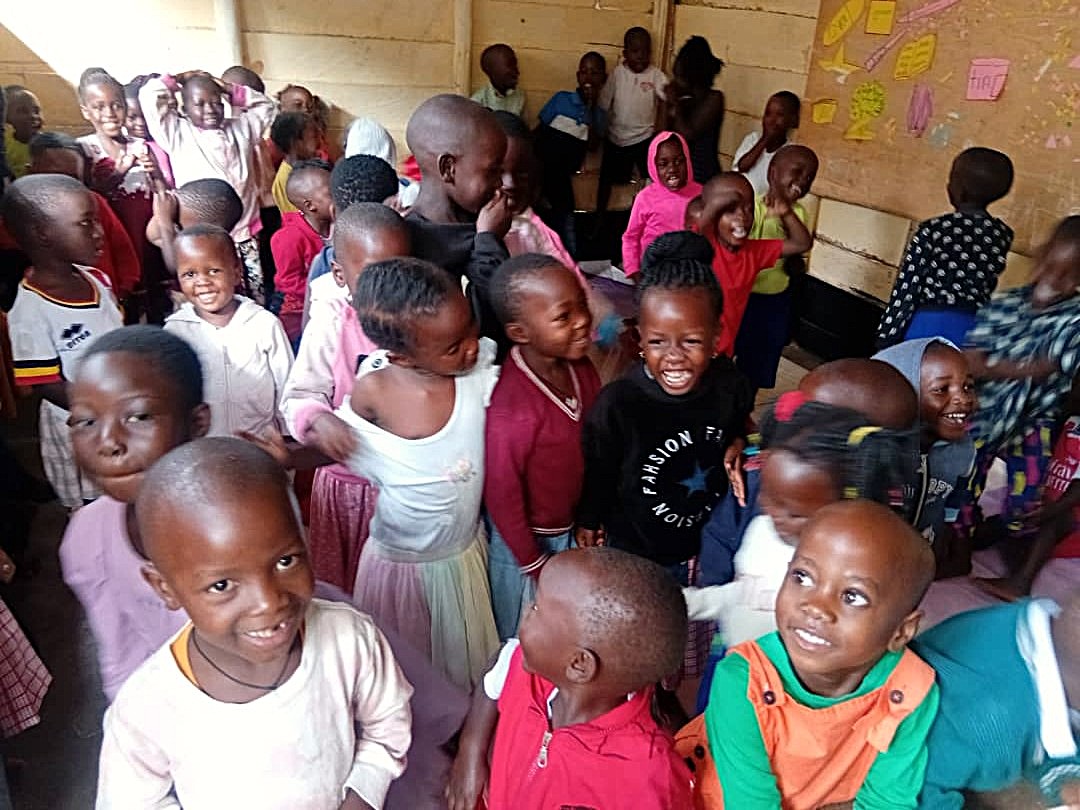
Today, Bana Mayele continues to support close to a hundred children full-time, providing care, structure, and access to education. But as these children grow older, their needs begin to change.

Over time, a new need became clear:
young people require not only education, but also practical skills to become independent.

Creating Opportunities Through Skills, Vocational Training for Youth in Congo

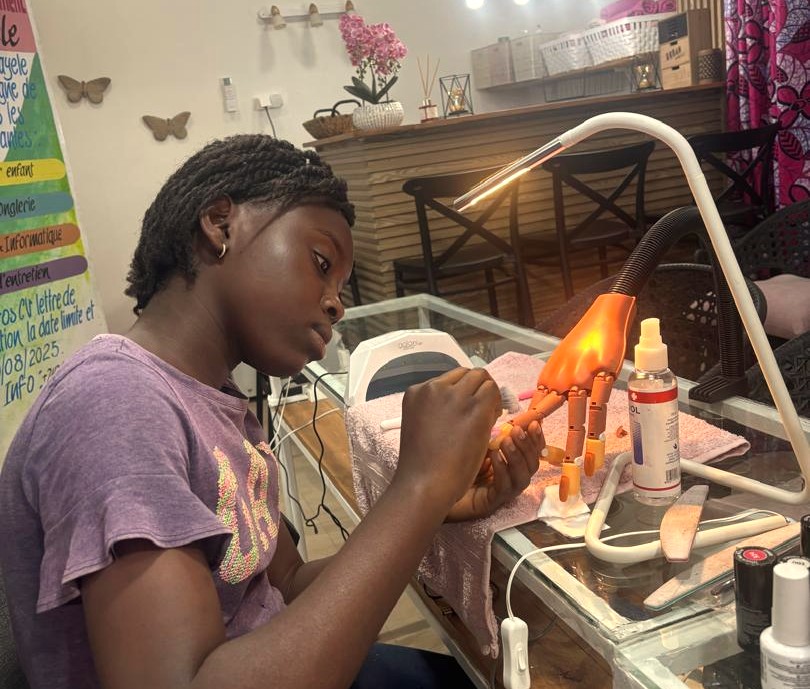
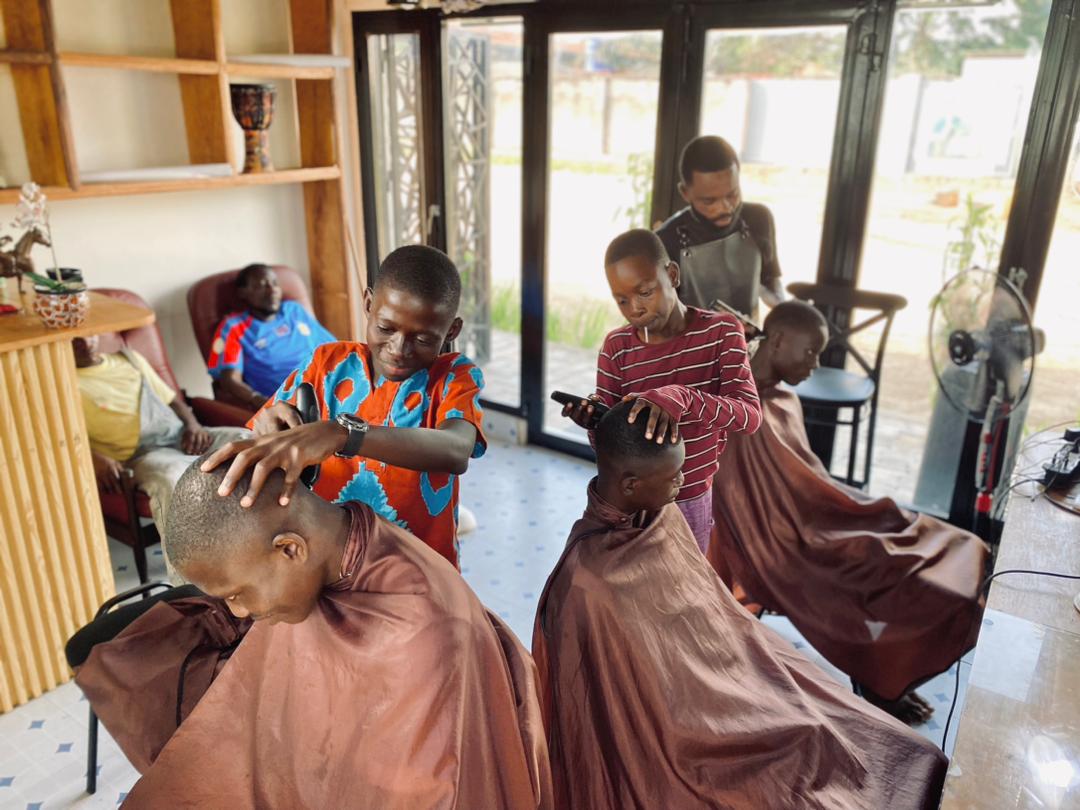
To address this, Bana Mayele has developed a vocational training program in Congo, offering hands-on skills that can lead directly to income opportunities.

The goal is simple: to give young people the tools they need to move toward independence. The training focuses on hands-on, income-generating skills, including:

  • Welding and metalwork
  • Aesthetics and beauty services (cosmetics, nails, hairdressing, barbering)
  • Cooking and food preparation
  • IT and digital basics
  • Sewing and tailoring
  • Gardening
  • Interior design and art
  • House painting

Participants also receive language support in French and English, improving their ability to work and communicate.

At the end of their training, they receive a certificate of completion and a basic starter kit.

Expanding Impact Beyond the Center

What started as a shelter for vulnerable children who have suffered from violent atrocities is now a thriving oasis of hope.

While the center continues to care for children living there, the training programs are beginning to include youngsters from surrounding communities — extending the impact beyond the walls of Bana Mayele.

The program now reaches not only children living at Bana Mayele, but also youth from surrounding communities in Kinshasa.

This expansion reflects the growing role of Bana Mayele as a community education and training hub.

Building Long-Term Change

The development of Bana Mayele shows how long-term support can evolve into broader impact.

From a basic shelter and education to vocational training and employment pathways, each phase builds on the last.

There is a strong need for vocational education in Congo, particularly for youth without access to higher education.

By continuing to develop this model, Bana Mayele can expand its reach and provide more young people with the tools they need to build independent lives.

Looking Ahead

While the vocational training hub is still developing, and like everything at Bana Mayele, it is growing step by step.

But it already reflects something important:
when support remains steady, it creates space for growth that goes beyond the original intention.

The vision for Bana Mayele continues to evolve — from care, to education, to opportunity.

It is about helping young people move from being supported to becoming self-reliant, and eventually shaping their own future.

Strengthening Education in Uganda and Zambia

How school development and community support are creating lasting impact

Across the projects SNI supports, progress often comes step by step — not through big announcements, but through practical improvements that make daily life more stable for children and communities.

In many parts of Uganda and Zambia, access to stable education and basic infrastructure remains a challenge. Through ongoing support, we are helping schools and communities strengthen their daily environment — creating better conditions for children to learn, grow, and stay in school.

This progress is clearly visible in the continued development of the Upendo School on Ssese Island, Uganda.

Upendo School, Ssese Island: Expanding Education Where It’s Needed

The Upendo School on Ssese Island has grown steadily over the past years. What began as a response to urgent needs — including rebuilding after multiple fires, a hurricane. Continually improving sanitation, and creating access to education — is now a school that children actively want to attend.

Originally, the school offered classes up to Primary 3, with plans for older students to transition into government schools. However, many children desired to be allowed to stay.

As one local partner shared:
“We asked their parents to take them to a government school, but they wouldn’t leave… they kept asking us to take them back.”

In response, a new classroom was built, allowing the school to expand to Primary 4 — ensuring that children can continue their education in a familiar and supportive environment.

Classroom for grade 4 at Upendo School
Upendo School in Lutoboka, Ssese Island
Improving School Infrastructure and Daily Conditions

To support the growing number of students, several important improvements were made:

  • Installation of a stone cooking stove, enabling the preparation of daily meals for hundreds of children
  • Upgrading the schoolyard with stone covering, reducing mud during the rainy season
  • Construction of new benches and tables, improving classroom conditions
  • Installation of a rainwater harvesting system, providing water for sanitation facilities

These improvements strengthen not only the learning environment, but also the health, safety, and daily stability of the children.

Zambia: Enabling Education Through Mobility

In Lusaka, Zambia, SNI supported the purchase of a new vehicle for the Brilliant Kids School — a practical but essential step in strengthening the school’s ability to operate effectively.

For the school, this vehicle is not a luxury — it is a tool that enables the work to continue.

It allows the team to manage school operations more efficiently.

In environments where infrastructure can be limited, mobility plays a key role in ensuring that children can access education consistently.

Supporting Education Through Practical Solutions

Across both Uganda and Zambia, the focus remains the same: supporting education through practical, real-world improvements.

Whether it is a classroom, a meal, or a means of transport, these are the elements that allow children to attend school consistently and build a future.

What connects these efforts is a shared approach:
listening, adapting, and responding to what is actually needed.

These are practical changes — but they carry real meaning for the children and communities involved.

Building Opportunity Through Education

Supporting vulnerable communities through local partnerships in Cebu & Bohol

In the Philippines, inhabitants with very limited resources suffer from natural disasters, unstable housing, and uncertain income. For children growing up in these conditions, education is not always a given possibility.

This is where SNI’s work quietly steps in — not with quick fixes, but with steady, practical support that helps create  more stability over time.

A Place to Learn, and Simply Be a Child

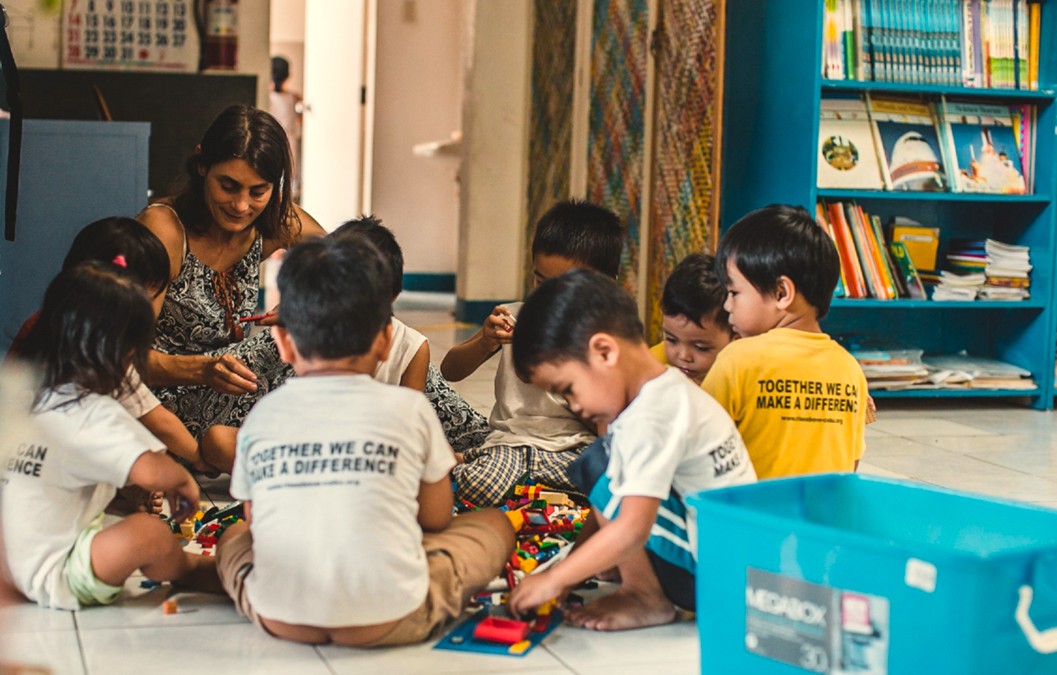
SNI supports community-based centers where children can come each day to learn, eat, and feel safe. For many, these spaces offer something they don’t often experience elsewhere: routine.

Here, the day has structure. There is time to learn, to play, and to be together. Small things matter — washing hands before meals, brushing teeth, sitting down together to eat. These are simple habits, but they build a sense of normalcy and care.

Just as important are the relationships. Children learn how to treat one another with respect, how to work together, and how to be part of a group. Over time, you can see the difference — in their confidence, in how they interact, in how they begin to see themselves.

Supporting Families Along the Way

Behind every child is a family doing its best to cope with difficult circumstances. Supporting children means supporting those families too.

Through livelihood initiatives, mothers are given the chance to earn an income — for example by creating bags from upcycled materials, learning gardening, sewing, jewelry making. It may seem like a small step, but it can ease daily pressure in a very real way.

When there is even a little more stability at home, children feel it. It becomes easier for them to stay in school, to focus, and to imagine a future that looks different from today.

Starting Early: The Importance of the STEPS Program

In many underserved communities, children begin elementary school without the basic skills needed to succeed. This gap is often not due to lack of ability, but to limited access to early learning opportunities — especially in areas where families are focused on meeting immediate needs.

The STEPS (Specialized Training and Education for Progressive Students) program addresses this challenge by focusing on early childhood education.

By providing structured preschool learning, the program helps children:

  • Build early literacy and numeracy skills
  • Develop confidence and social interaction
  • Become familiar with a learning environment
  • Grow curiosity and readiness for school

To expand this program to additional communities, new classroom space is being developed — creating a safe and dedicated environment where more children can access early education.

This early intervention is particularly important in communities affected by instability, as it helps children build the foundation they need to continue learning despite challenging circumstances.

STEPS children's graduation
Building Stability Through Long-Term Commitment

What connects these initiatives is a shared understanding: meaningful change takes time.

By supporting both education and family stability, these programs go beyond short-term solutions. They create environments where children can grow consistently, even when external conditions remain uncertain.

For many families, this support represents more than access to education — it creates a sense of stability, possibility, and forward movement in situations where these are often difficult to maintain.

Through our continued partnership with local organizations in Cebu and Bohol, SNI remains committed to this steady, long-term approach.

Looking Ahead

The need for accessible, quality education remains significant, particularly in communities that are vulnerable to economic and environmental challenges. Expanding early childhood education and strengthening community-based support systems will continue to be key priorities.

With continued support, these initiatives can reach more children at a critical stage in their development — helping them build the skills and confidence they need to navigate an uncertain future.

Restoring Childhood for Malawi’s Street Children

How education, care, and sustainable farming are giving children a future

When most people think of Malawi, they picture Lake Malawi’s blue waters, warm smiles, and glowing sunsets. But behind this beauty lies a growing humanitarian challenge — thousands of street children in Malawi living without safety, shelter, education, or care.

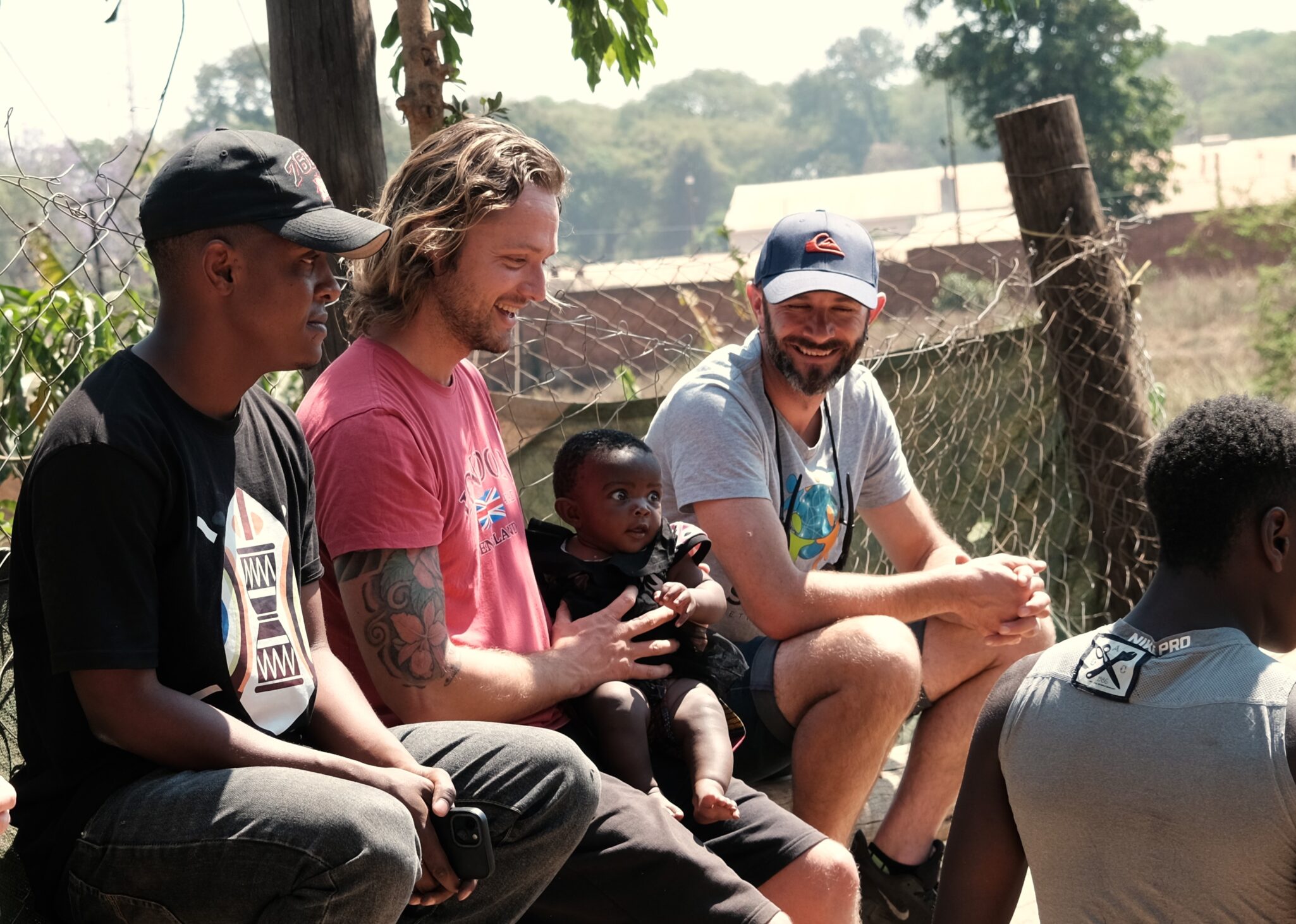
In October 2025, our team at Sponsorship Network Intl. visited Malawi to better understand this reality and to strengthen our partnership with I-Heart Malawi. What we saw was heartbreaking — and deeply hopeful at the same time.

The Reality for Street Children in Malawi

A Different Path: The I-Heart Project Malawi

The I-Heart Project offers a different future for street children and orphans in Malawi — one built on care, education, and self-reliance.

During our visit, we saw:

  • A daily free lunch program for street children in Lilongwe

  • Homes for boys and girls who once lived on the streets

  • A baby home caring for infants born to street workers and teenage mothers

  • Children attending school and vocational training, many for the first time in their lives

These children are no longer just surviving. They are learning, growing, and dreaming.

Education and Vocational Training: More Than School

Education is at the heart of long-term change. Our hope is that all children supported by SNI and I-Heart Malawi:

  • Attend local schools

  • Receive help with uniforms and supplies

  • Participate in vocational training courses, including carpentry, tailoring, farming, cooking, and basic computer skills

This combination of education and vocational training helps children gain confidence and practical skills they can use for life.

Sustainable Agriculture as a Long-Term Solution

One of the most powerful aspects of the I-Heart Project is its focus on sustainable agriculture in Malawi.

We are in the process of setting up:

  • A chicken and livestock farm in Blantyre, helping sustain two children’s homes (100 children total)

  • An organic farm with eco-built huts near a river

  • Looking for a 100-acre site near Lilongwe for a future permaculture-based community center

Through permaculture farming, the project will:

  • Produce food for daily meals

  • Generate income through local markets

  • Teach children responsibility and self-reliance

  • Reduce long-term dependence on donations

This model connects child care, education, and sustainable development in one integrated approach.

Why This Matters

Helping street children in Malawi is not about short-term aid. It’s about giving children:

  • A safe place to live

  • Access to education

  • Skills for independence

  • A sense of belonging

The I-Heart Project strives for not just escaping poverty — but building a sustainable future where children are given the right support.

How You Can Help Street Children in Malawi?

You can be part of this change:

  • Sponsor a child – help cover education, meals, and care

  • Support sustainable agriculture projects – fund long-term solutions

  • Volunteer – share your skills on the ground in Malawi

  • Partner with us – as an organization or foundation

Strengthening a Partnership Built in Kenya Since 2012

How SNI and Family Care Missions collaborate to support children and families in Mombasa

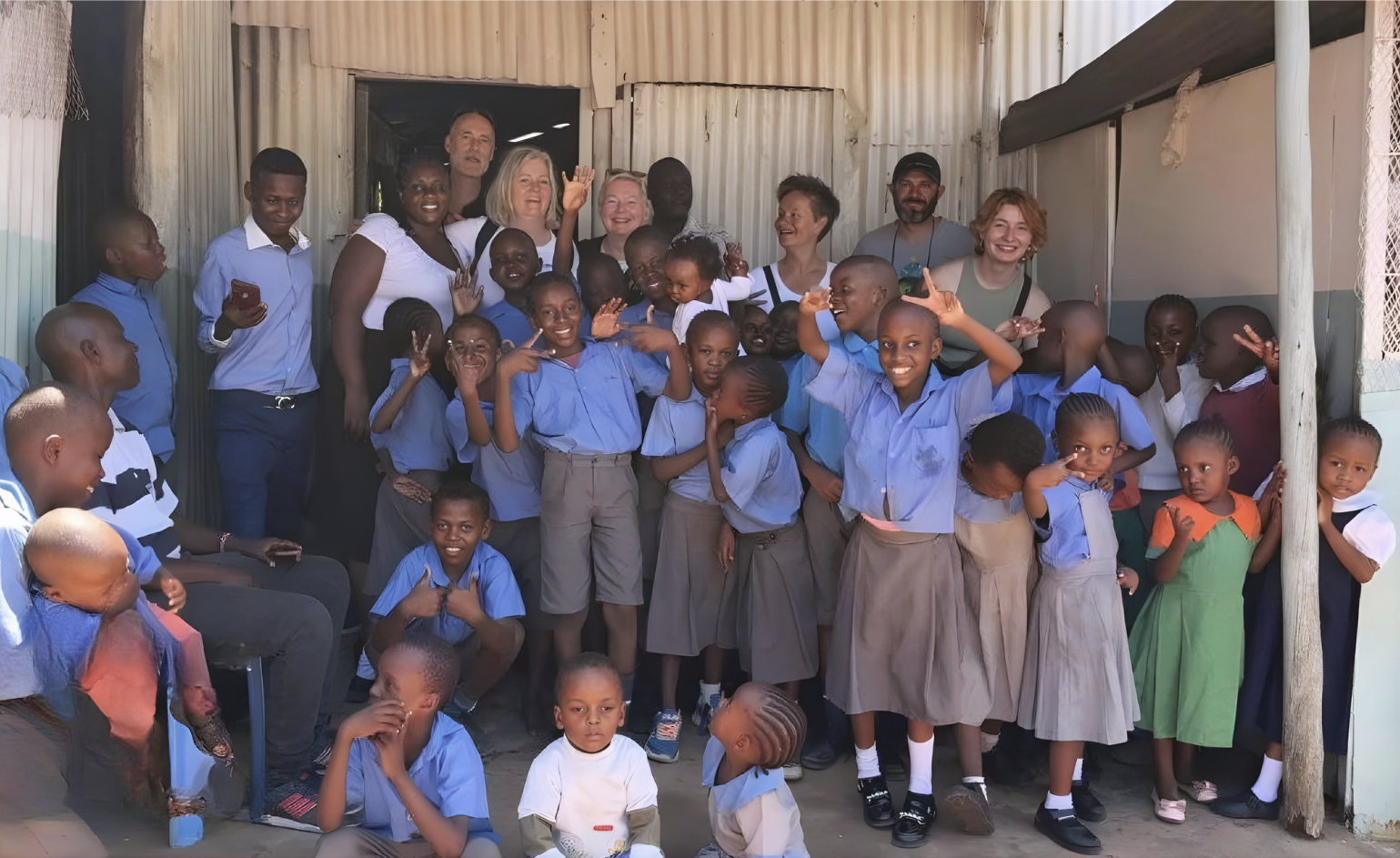
In the summer of 2025, members of the Sponsorship Network Intl. team traveled to Mombasa, Kenya, to visit long-standing partner projects supported through Family Care Missions (FCM). This visit marked an important moment in a partnership that began in 2012 — not only to reconnect in person, but to personally ensure that the sponsored funds are reaching the children and families they were intended to support.

For SNI, on-the-ground visits are an essential part of responsible sponsorship. Being present allows us to listen, observe, and confirm that local initiatives align with shared goals of dignity, transparency, and long-term impact.

Seeing impact firsthand

During the summer visit, the SNI team spent time at the Olives Rehabilitation Center in Bombolulu, an education center serving children from nearby informal settlements, as well as engaging with the wider Family Care Missions team. These conversations and observations helped reaffirm that support was being used effectively — and just as importantly, that local teams were responding thoughtfully to real needs on the ground.

The visit also highlighted areas where facilities and resources were under increasing strain due to rising living costs, aging infrastructure, and growing demand for basic services such as school meals.

Continued impact through local leadership

Following the SNI team’s visit, the local Family Care Missions team continued implementing project activities throughout October 2025, using SNI’s support to address the most urgent needs identified earlier in the year.

This included targeted improvements at two education centers:

  • The Olives Rehabilitation Center, which currently provides basic education to around 80 children from the Bombolulu area

  • Coast Green Garden Nursery School, a newer initiative in a rural village near Mtwapa, serving approximately 75 young children from low-income families

At the Olives Center, urgent repairs were carried out — including kitchen restructuring, replacement of termite-damaged poles and benches, new roofing sheets, and repainting of classrooms. New desks, chairs, and blackboards helped improve learning conditions, while the school lunch program received support during a period of heightened food insecurity.

At Coast Green Garden Nursery School, SNI’s contribution enabled the construction of three toilets, installation of a 1,000-liter water tank, provision of classroom furniture, and supplies for school lunches — ensuring a safe and dignified environment for young learners.

Supporting families beyond the classroom

Recognizing that education is deeply connected to household stability, the local team also distributed food care packages to 150 of the most vulnerable families in surrounding communities. Many of these families are affected by serious illness or unemployment and have been hit hard by inflation and rising fuel costs.

In addition, SNI’s support contributed to modest stipends for 13 low-income teachers and staff, helping schools retain experienced educators during a challenging economic period.

Why this approach matters

What makes this partnership effective is the balance between personal oversight and local leadership. The SNI team’s visit in summer 2025 ensured accountability and alignment, while the continued work by Family Care Missions demonstrated the strength and reliability of locally led implementation.

Over the years, students from the Olives Center have gone on to secondary education, vocational training, and employment — a reminder that sustained support, combined with trust in local partners, creates pathways that last well beyond a single project cycle.

Looking ahead

As Family Care Missions approaches its 30th year of service in Kenya, SNI remains committed to supporting initiatives that respond to real needs with care, integrity, and long-term vision.

🌍 A Thriving Future at the Bana Mayele Center in Kinshasa

This summer, SNI’s founder, Mitch returned to Kinshasa in the Democratic Republic of Congo to visit the Bana Mayele Center, and the progress he witnessed was inspiring. What started as a simple vision — to provide orphans and vulnerable children with a safe and nurturing environment — has now grown into a thriving home and school where young lives are being transformed every day.

Children Growing in Confidence and Education

One of the most moving signs of progress has been the children’s academic achievements. Many arrived at the center speaking only their tribal languages, with little exposure to formal schooling. Today, thanks to consistent support and dedicated teachers, these same children are excelling in their studies in French — the national language of education in Congo. Some have even risen to the very top of their classes, becoming first in their year groups. Their success is proof of what a stable environment, nutritious food, and quality education can achieve.

Vocational Courses: Building Skills for Life

Beyond the classroom, the vocational training programs at Bana Mayele are flourishing, giving children and young people practical skills that build both independence and opportunity.

Join Us in Building the Future

Every act of generosity makes a difference. By sponsoring, donating, or volunteering, you become part of a story where lives are rebuilt, dreams are renewed, and children discover their true potential.

Together, we are not just changing lives — we are helping children in the DRC grow into leaders, dreamers, and changemakers.

Language and Art Classes
For many children, arriving at the center meant stepping into a world where French — the language of school and opportunity — was unfamiliar. Some spoke only their tribal languages and had never attended class. Today, they are not only learning French but English as well and thriving in it. Several have become first in their classes, showing how quickly potential flourishes when barriers are lifted. Languages have become their bridge to friendship, further studies, and future careers.

Computer Literacy
In today’s digital age, knowing how to use a computer is as essential as reading and writing. At Bana Mayele, students are discovering the digital world for the very first time — learning to type, create documents, and explore educational tools. These skills are opening doors to future education and employment, preparing them to fully participate in an increasingly connected world.

Cooking and Catering
Cooking classes are about more than preparing meals. They teach teamwork, responsibility, and pride. Children are learning to cook nutritious food, plan meals, and serve one another — skills that can translate into future work in hospitality. Just as importantly, they are experiencing the joy of sharing what they’ve created, strengthening their sense of community and belonging.

Sewing Classes
With needle and thread, children are discovering both creativity and self-reliance. From school uniforms to household items, sewing teaches patience and problem-solving. Each finished piece is a reminder that they can create something valuable with their own hands — a lesson in dignity and independence that will last a lifetime.

Gardening
In the gardens of Bana Mayele, children are getting their hands in the soil, learning to grow and care for plants. Tending vegetables and herbs teaches responsibility and respect for the land, while providing fresh, healthy food for the center. Harvesting food they’ve nurtured themselves brings joy and reinforces the lesson that with care and persistence, growth is always possible.

A Facility That’s Thriving

The Bana Mayele Center in Kinshasa continues to grow stronger each year. The children’s living environment is healthier and more stable, the classrooms are alive with learning, and the entire project is becoming more deeply rooted in the surrounding community. It is a place where orphans are not just surviving — they are thriving.

The Road Ahead

As exciting as this progress is, the challenge now is ensuring sustainability. To continue providing quality housing, food, education, and skilled teachers, we need steady support. With your partnership, we can secure the future of these children and ensure that the Bana Mayele Center remains a beacon of hope in Kinshasa for years to come.

Join Us in Building the Future

Every act of generosity makes a difference. By sponsoring, donating, or volunteering, you become part of a story where lives are rebuilt, dreams are renewed, and children discover their true potential.

Together, we are not just changing lives — we are helping children in the DRC grow into leaders, dreamers, and changemakers.

Baking, Learning, and Growing: Our Inspiring Visit to the Bana Mayele Center

Nestled in the heart of Congo, the Bana Mayele Center is a place of hope, learning, and opportunity for orphans striving for a brighter future. Currently, our team of volunteers is spending precious time at this incredible center, sharing skills, joy, and meaningful experiences with the children. From vocational training to recreational activities, every moment is a testament to the transformative power of community and care.

Baking Up New Opportunities

One of the highlights of our visit is teaching the children the art of baking European bread and buns. For many, this is their first experience working with such techniques and recipes, making it an exciting and novel endeavor.

Our volunteers lead hands-on sessions where the children learn the intricacies of measuring ingredients, kneading dough, and perfecting the golden crust of freshly baked bread. The enthusiasm is infectious as the children eagerly participate, their eyes lighting up with pride as they take their creations out of the oven and proudly share them with the rest of the kids.

This skill is more than just a fun activity; it is a gateway to potential employment opportunities in the future. By mastering these techniques, they can gain a competitive edge in the culinary field, helping them carve out a sustainable livelihood as they grow older.

Unlocking the World Through Language

Another key aspect of our visit is the daily English classes. The sessions are filled with laughter, curiosity, and plenty of “aha” moments as the children immerse themselves in learning new languages. Many of them are still not fluent in French either, as they primarily spoke local tribal languages in their villages with relatives. Through interactive games, storytelling, and group activities, our volunteers make the process engaging and enjoyable.

SNI is so grateful for the donated laptops! They play a crucial role in enhancing the learning experience, enabling the children to access educational software, practice typing, and explore new ways of learning. The children’s progress is remarkable, and their enthusiasm is a constant source of inspiration. By equipping them with language skills, especially learning English and digital literacy, we aim to open doors to global opportunities and broaden their horizons.

Wheels of Joy: Sports and Recreation

Physical activity is vital for a child’s well-being, and our recreational sessions bring an extra dose of joy to the center. The children’s eyes sparkle as they zipp by on bicycles, scooters, and rollerblades. Whether it is learning to balance for the first time or racing each other with shouts of delight, these moments of play create a sense of camaraderie and fun.

Thanks to our generous sponsors, our “mobility department” is bringing unfathomable joy and pride to these children, who otherwise would have never had the opportunity to learn such skills. These activities not only promote physical fitness but also foster teamwork, confidence, and a sense of accomplishment.

How You Can Help

The work at Bana Mayele is ongoing, and there are countless ways you can contribute to their mission. Whether it’s through donations, volunteering, or simply spreading the word about their incredible work, every effort makes a difference. Together, we can help empower these children to build a brighter future.

Thank you for joining us on this journey. Stay tuned for more updates on our projects and the amazing progress being made at the Bana Mayele Center!

Sponsorhip Network Intl.

[email protected]

Allmendstr. 37, 8914
Aeugst am Albis,
Switzerland

Newsletter

Sign up for our newsletter to be the first to hear about our latest plans, achievements, and news.

Preferred language:

Connect With Us

© 2026 Sponsorship Network International. All rights reserved.