Vocational Training and Education in Congo

From child support to a growing skills and education hub in Kinshasa

What is happening at the  Bana Mayele (Smart Children) center today is not the result of a single blueprint, but of consistent presence and hands on involvement over time.

Since 2021, Sponsorship Network International (SNI) has supported the development of the Bana Mayele Center in Kinshasa, Democratic Republic of Congo.

What began as a project focused on child care and education has grown into a broader initiative — supporting both children and youth from surrounding communities.

to provide a safe place for children facing difficult circumstances — a place where they could live, learn, and begin to heal trauma and rebuild stability in their lives.

Over the past five years, that steady support has allowed something tangible to take shape.

From a safe home, to a place of education, and now to a growing center for skills and opportunity — each step has built on the last.

From Care to Opportunity

Today, Bana Mayele continues to support close to a hundred children full-time, providing care, structure, and access to education. But as these children grow older, their needs begin to change.

Over time, a new need became clear:
young people require not only education, but also practical skills to become independent.

Creating Opportunities Through Skills, Vocational Training for Youth in Congo

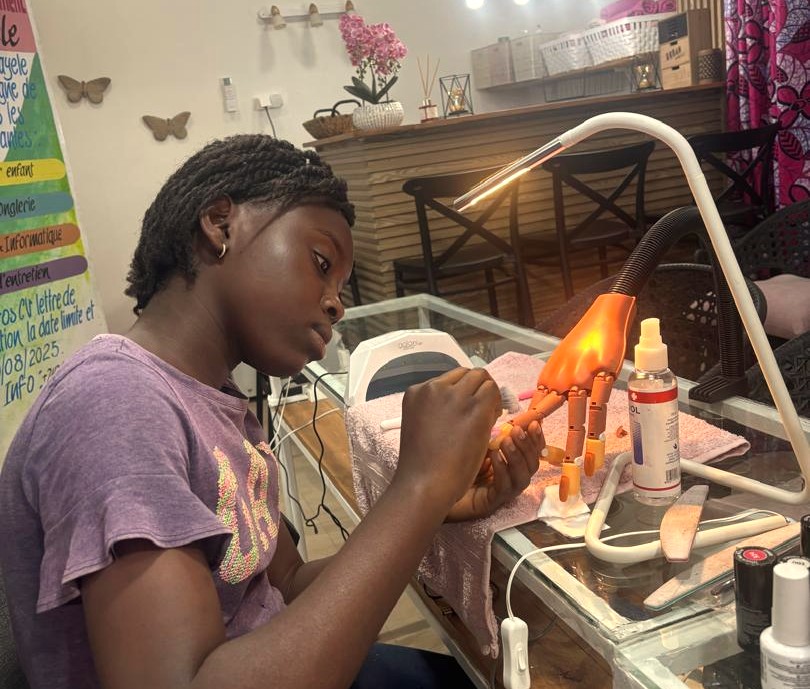
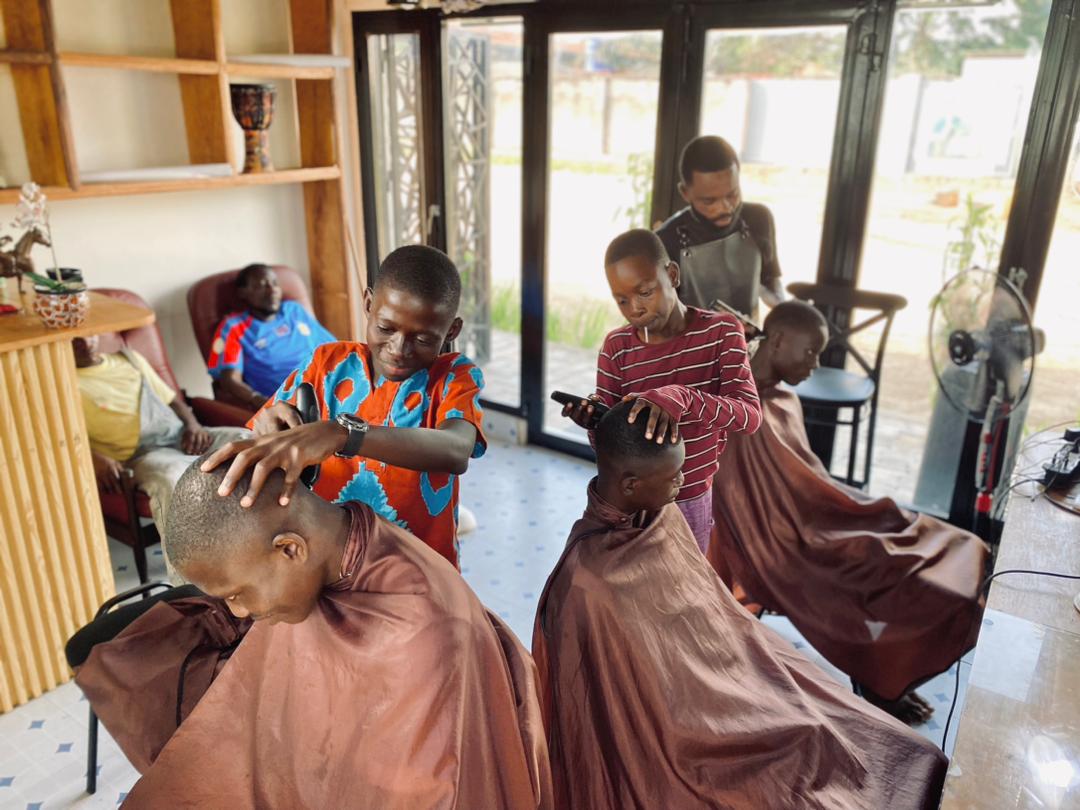
To address this, Bana Mayele has developed a vocational training program in Congo, offering hands-on skills that can lead directly to income opportunities.

The goal is simple: to give young people the tools they need to move toward independence. The training focuses on hands-on, income-generating skills, including:

  • Welding and metalwork
  • Aesthetics and beauty services (cosmetics, nails, hairdressing, barbering)
  • Cooking and food preparation
  • IT and digital basics
  • Sewing and tailoring
  • Gardening
  • Interior design and art
  • House painting

Participants also receive language support in French and English, improving their ability to work and communicate.

At the end of their training, they receive a certificate of completion and a basic starter kit.

Expanding Impact Beyond the Center

What started as a shelter for vulnerable children who have suffered from violent atrocities is now a thriving oasis of hope.

While the center continues to care for children living there, the training programs are beginning to include youngsters from surrounding communities — extending the impact beyond the walls of Bana Mayele.

The program now reaches not only children living at Bana Mayele, but also youth from surrounding communities in Kinshasa.

This expansion reflects the growing role of Bana Mayele as a community education and training hub.

Building Long-Term Change

The development of Bana Mayele shows how long-term support can evolve into broader impact.

From a basic shelter and education to vocational training and employment pathways, each phase builds on the last.

There is a strong need for vocational education in Congo, particularly for youth without access to higher education.

By continuing to develop this model, Bana Mayele can expand its reach and provide more young people with the tools they need to build independent lives.

Looking Ahead

While the vocational training hub is still developing, and like everything at Bana Mayele, it is growing step by step.

But it already reflects something important:
when support remains steady, it creates space for growth that goes beyond the original intention.

The vision for Bana Mayele continues to evolve — from care, to education, to opportunity.

It is about helping young people move from being supported to becoming self-reliant, and eventually shaping their own future.

Strengthening Education in Uganda and Zambia

How school development and community support are creating lasting impact

Across the projects SNI supports, progress often comes step by step — not through big announcements, but through practical improvements that make daily life more stable for children and communities.

In many parts of Uganda and Zambia, access to stable education and basic infrastructure remains a challenge. Through ongoing support, we are helping schools and communities strengthen their daily environment — creating better conditions for children to learn, grow, and stay in school.

This progress is clearly visible in the continued development of the Upendo School on Ssese Island, Uganda.

Upendo School, Ssese Island: Expanding Education Where It’s Needed

The Upendo School on Ssese Island has grown steadily over the past years. What began as a response to urgent needs — including rebuilding after multiple fires, a hurricane. Continually improving sanitation, and creating access to education — is now a school that children actively want to attend.

Originally, the school offered classes up to Primary 3, with plans for older students to transition into government schools. However, many children desired to be allowed to stay.

As one local partner shared:
“We asked their parents to take them to a government school, but they wouldn’t leave… they kept asking us to take them back.”

In response, a new classroom was built, allowing the school to expand to Primary 4 — ensuring that children can continue their education in a familiar and supportive environment.

Classroom for grade 4 at Upendo School
Upendo School in Lutoboka, Ssese Island
Improving School Infrastructure and Daily Conditions

To support the growing number of students, several important improvements were made:

  • Installation of a stone cooking stove, enabling the preparation of daily meals for hundreds of children
  • Upgrading the schoolyard with stone covering, reducing mud during the rainy season
  • Construction of new benches and tables, improving classroom conditions
  • Installation of a rainwater harvesting system, providing water for sanitation facilities

These improvements strengthen not only the learning environment, but also the health, safety, and daily stability of the children.

Zambia: Enabling Education Through Mobility

In Lusaka, Zambia, SNI supported the purchase of a new vehicle for the Brilliant Kids School — a practical but essential step in strengthening the school’s ability to operate effectively.

For the school, this vehicle is not a luxury — it is a tool that enables the work to continue.

It allows the team to manage school operations more efficiently.

In environments where infrastructure can be limited, mobility plays a key role in ensuring that children can access education consistently.

Supporting Education Through Practical Solutions

Across both Uganda and Zambia, the focus remains the same: supporting education through practical, real-world improvements.

Whether it is a classroom, a meal, or a means of transport, these are the elements that allow children to attend school consistently and build a future.

What connects these efforts is a shared approach:
listening, adapting, and responding to what is actually needed.

These are practical changes — but they carry real meaning for the children and communities involved.

Building Opportunity Through Education

Supporting vulnerable communities through local partnerships in Cebu & Bohol

In the Philippines, inhabitants with very limited resources suffer from natural disasters, unstable housing, and uncertain income. For children growing up in these conditions, education is not always a given possibility.

This is where SNI’s work quietly steps in — not with quick fixes, but with steady, practical support that helps create  more stability over time.

A Place to Learn, and Simply Be a Child

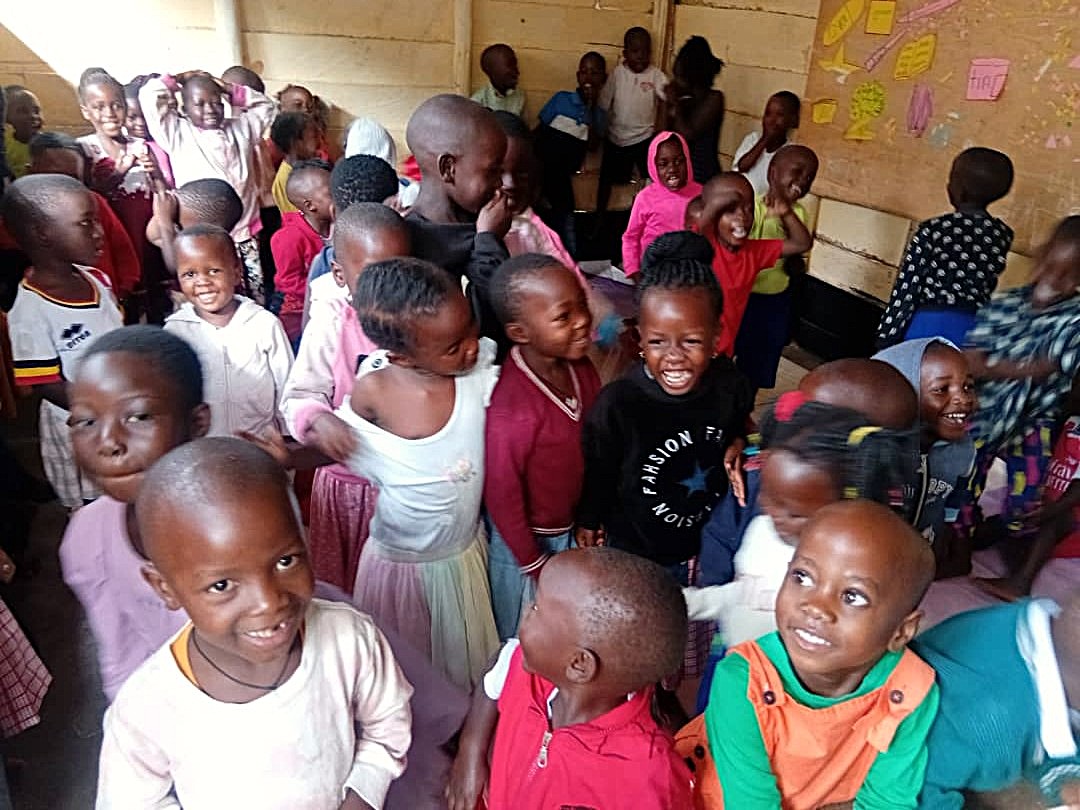
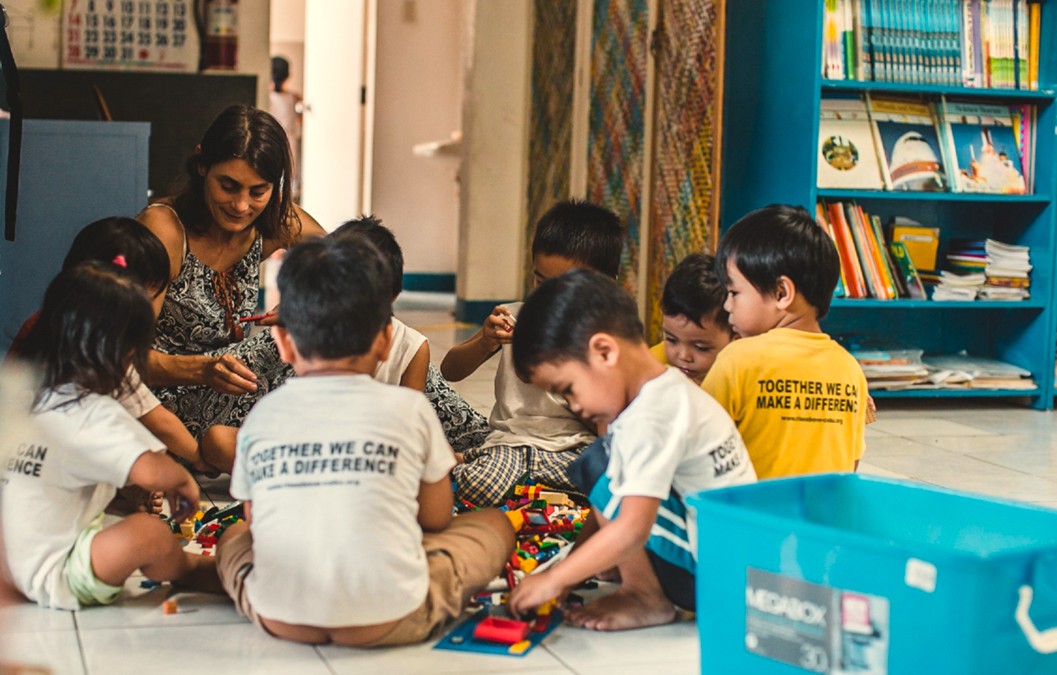
SNI supports community-based centers where children can come each day to learn, eat, and feel safe. For many, these spaces offer something they don’t often experience elsewhere: routine.

Here, the day has structure. There is time to learn, to play, and to be together. Small things matter — washing hands before meals, brushing teeth, sitting down together to eat. These are simple habits, but they build a sense of normalcy and care.
Just as important are the relationships. Children learn how to treat one another with respect, how to work together, and how to be part of a group. Over time, you can see the difference — in their confidence, in how they interact, in how they begin to see themselves.

Supporting Families Along the Way

Behind every child is a family doing its best to cope with difficult circumstances. Supporting children means supporting those families too.

Through livelihood initiatives, mothers are given the chance to earn an income — for example by creating bags from upcycled materials, learning gardening, sewing, jewelry making. It may seem like a small step, but it can ease daily pressure in a very real way.

When there is even a little more stability at home, children feel it. It becomes easier for them to stay in school, to focus, and to imagine a future that looks different from today.

Starting Early: The Importance of the STEPS Program

In many underserved communities, children begin elementary school without the basic skills needed to succeed. This gap is often not due to lack of ability, but to limited access to early learning opportunities — especially in areas where families are focused on meeting immediate needs.

The STEPS (Specialized Training and Education for Progressive Students) program addresses this challenge by focusing on early childhood education.

By providing structured preschool learning, the program helps children:

  • Build early literacy and numeracy skills
  • Develop confidence and social interaction
  • Become familiar with a learning environment
  • Grow curiosity and readiness for school

To expand this program to additional communities, new classroom space is being developed — creating a safe and dedicated environment where more children can access early education.

This early intervention is particularly important in communities affected by instability, as it helps children build the foundation they need to continue learning despite challenging circumstances.

STEPS children's graduation
Building Stability Through Long-Term Commitment

What connects these initiatives is a shared understanding: meaningful change takes time.

By supporting both education and family stability, these programs go beyond short-term solutions. They create environments where children can grow consistently, even when external conditions remain uncertain.

For many families, this support represents more than access to education — it creates a sense of stability, possibility, and forward movement in situations where these are often difficult to maintain.

Through our continued partnership with local organizations in Cebu and Bohol, SNI remains committed to this steady, long-term approach.

Looking Ahead

The need for accessible, quality education remains significant, particularly in communities that are vulnerable to economic and environmental challenges. Expanding early childhood education and strengthening community-based support systems will continue to be key priorities.

With continued support, these initiatives can reach more children at a critical stage in their development — helping them build the skills and confidence they need to navigate an uncertain future.

Water Is Life Project: Building Clean Water Wells in Southern Madagascar

Bringing Clean Water to Communities in Southern Madagascar

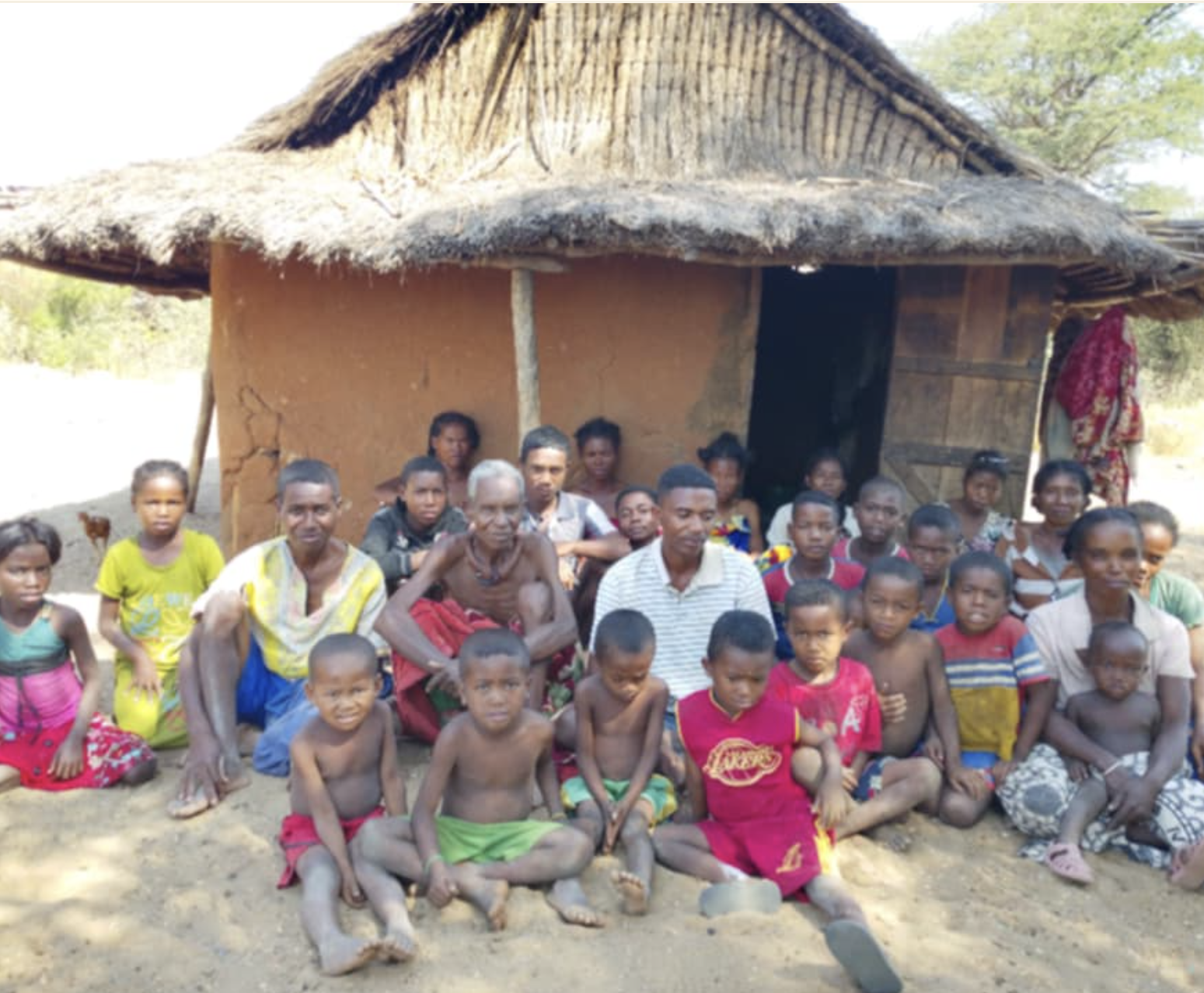
In the arid south of Madagascar, access to clean drinking water is a daily challenge. Many families spend hours walking long distances to collect unsafe water, often forced to ration what little they have. With Save the Youth Madagascar, this reality is steadily changing.

In 2025, with the support of SNI, 16 water wells were completed, providing reliable access to clean, drinkable water for thousands of people. This work builds directly on the 12 wells constructed the previous year, demonstrating a growing, sustained commitment rather than a one-time intervention.

Access to a reliable water well transforms daily life. Families can drink safely, maintain hygiene, prepare food, and irrigate small gardens. As one community member simply shared:
“Having water is the end of so many problems.”

From the First Dig to Flowing Water

Every well begins with patient, physical labor. In the village of Andrambalo, work started with basic tools — a shovel, rope, iron stake, and bucket. Workers dug by hand, meter by meter, until they reached the water table. For 3,000 villagers, this moment marked the beginning of lasting change.

In Ambatovaky, the completion of the final well of the year was met with visible joy. Villagers passed around the first cup of water, washing their hands and faces, laughing and celebrating. With clean water now close by, daily life immediately became easier — especially for children.

Schools Transformed

At the EVOVO North school, a 7-meter-deep well now serves 400 students and staff. Before its construction, children and teachers walked up to two kilometers each day to collect water of uncertain quality just to prepare school meals.

Today, clean water is available on site. Children can drink safely, wash themselves in better conditions, and focus on learning rather than long daily water journeys. The school community expressed their deep gratitude.

One Well Effects Hundreds of Lives

Southern Madagascar is extremely dry. Poor farmers and villagers struggle with hunger, illness, and poor sanitation due to lack of water. A single well can serve up to 500 people, providing long-term access to a resource that sustains health, education, and livelihoods.

These wells are not temporary solutions. They are durable infrastructure, designed to support communities year after year.

SNI is Planning on Expanding the Initiative in 2026

The success of this initiative has reinforced the importance of steady, long-term investment. Together with Save the Youth Madagascar, SNI plans to continue and expand the well-building program in 2026, with the goal of reaching even more villages in the region.

Each additional well represents hundreds of lives changed — and another step toward resilience in one of Madagascar’s most water-scarce regions.

Education Without Barriers: Over a Decade of Supporting Deaf Students in Pakistan

How long-term partnership and inclusive education are creating lasting change across Pakistan

For more than a decade, SNI has partnered with Deaf Reach Pakistan to support one of the most marginalized groups in the country: deaf children and youth living in poverty. 

Since 2012, this partnership has focused on a simple but powerful goal — ensuring that deaf students have access to quality education, communication, and opportunity, regardless of where they are born. In a country where disability often leads to exclusion, Deaf Reach is proving a transformative inclusion.

The reality for deaf children in Pakistan

Pakistan is home to over one million profoundly deaf children, yet fewer than 5% have access to formal education. Many grow up without exposure to language at all, leaving them isolated not only from schooling, but from society itself. Families, often living in slum or rural areas, lack the resources or knowledge to support language development, and public systems rarely provide inclusive alternatives.

The consequences are severe: limited education, high vulnerability to exploitation, and lifelong economic dependence.

A nationwide model for inclusive education

Deaf Reach, operated by the Family Educational Services Foundation (FESF), has built one of the most comprehensive deaf education networks in the region. Today, the organization runs:

  • 10 main campuses across Pakistan, serving an average of 250–350 students per school, from kindergarten through college

  • A rapidly expanding network of satellite schools, designed to reach rural and underserved areas where access to education is otherwise impossible

Between 2024 and 2026, Deaf Reach is scaling up to 50 satellite schools, each serving 20–40 primary-level students, bringing education closer to families who cannot travel long distances.

This decentralized approach ensures that deaf children are not forced to leave their communities in order to learn — a key factor in long-term retention and family engagement.

What SNI’s support makes possible

Through its ongoing sponsorship, including the most recent grant support, SNI helps ensure that deaf students can remain in school for a full academic year. This support goes far beyond tuition. Each sponsored student receives:

  • Daily pick-up and drop-off transportation (up to a 50 km radius)

  • School uniforms, books, and stationery

  • A hot lunch, addressing basic nutritional needs

  • Access to vocational training and life skills

  • Monthly Pakistan Sign Language classes for parents, strengthening communication at home

This holistic model recognizes that education does not happen in isolation — it succeeds when families are included and basic needs are met

Why long-term commitment matters?

SNI’s partnership with Deaf Reach is built on the belief that systemic change requires patience. Teaching a child language, education, and vocational skills takes time — and the results are measured not in months, but in lives reshaped over years.

By supporting Deaf Reach consistently since 2012, SNI contributes to a model that is scalable, locally led, and deeply rooted in dignity.

Looking ahead

As Deaf Reach continues to expand its satellite schools and reach deeper into rural Pakistan, the need for sustained support remains critical. Every new classroom represents children who will, for the first time, be seen, heard, and educated.

We invite you to join us

in supporting inclusive educational initiatives, ensuring that disability never determines a child’s future.

Strengthening a Partnership Built in Kenya Since 2012

How SNI and Family Care Missions collaborate to support children and families in Mombasa

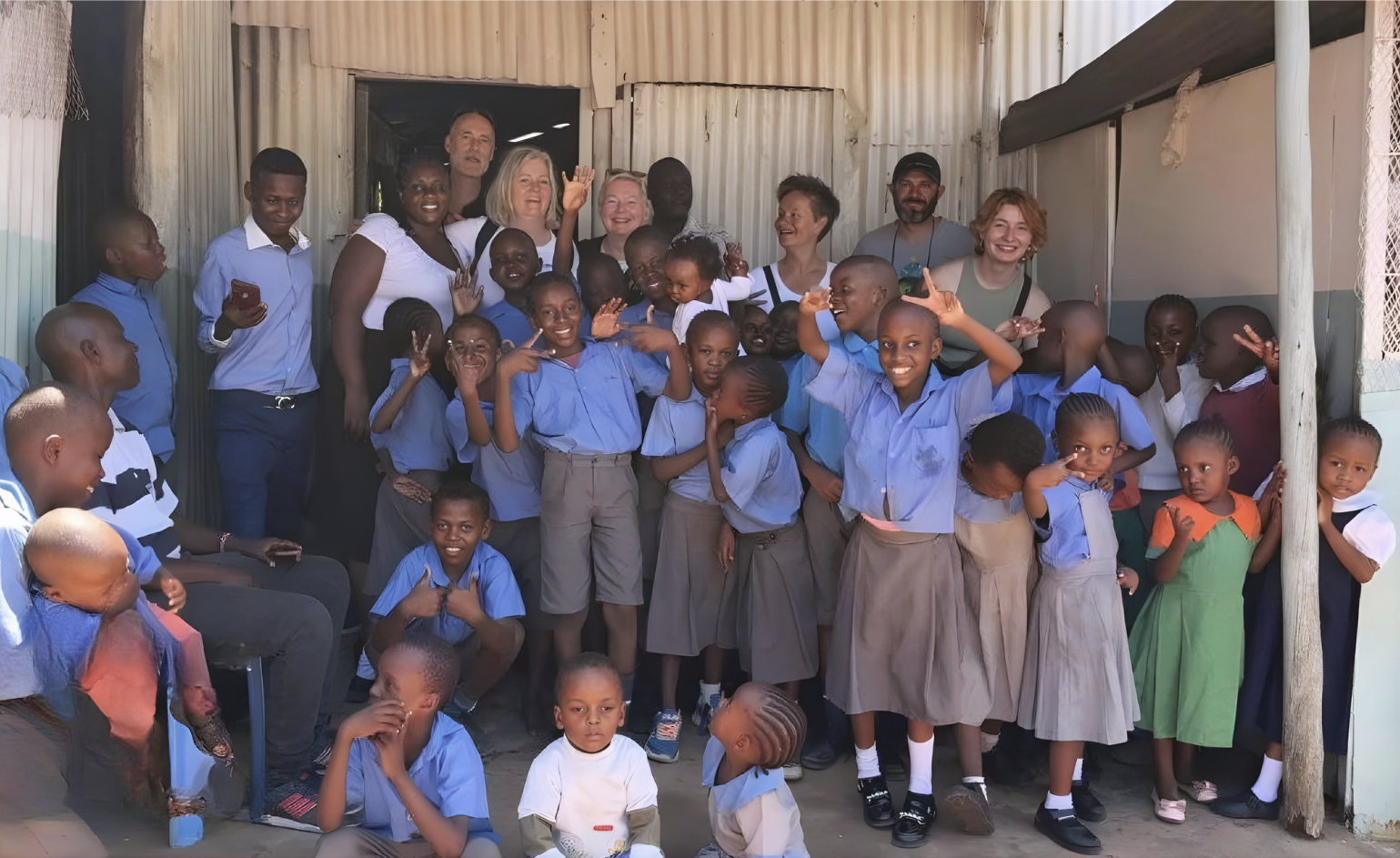
In the summer of 2025, members of the Sponsorship Network Intl. team traveled to Mombasa, Kenya, to visit long-standing partner projects supported through Family Care Missions (FCM). This visit marked an important moment in a partnership that began in 2012 — not only to reconnect in person, but to personally ensure that the sponsored funds are reaching the children and families they were intended to support.

For SNI, on-the-ground visits are an essential part of responsible sponsorship. Being present allows us to listen, observe, and confirm that local initiatives align with shared goals of dignity, transparency, and long-term impact.

Seeing impact firsthand

During the summer visit, the SNI team spent time at the Olives Rehabilitation Center in Bombolulu, an education center serving children from nearby informal settlements, as well as engaging with the wider Family Care Missions team. These conversations and observations helped reaffirm that support was being used effectively — and just as importantly, that local teams were responding thoughtfully to real needs on the ground.

The visit also highlighted areas where facilities and resources were under increasing strain due to rising living costs, aging infrastructure, and growing demand for basic services such as school meals.

Continued impact through local leadership

Following the SNI team’s visit, the local Family Care Missions team continued implementing project activities throughout October 2025, using SNI’s support to address the most urgent needs identified earlier in the year.

This included targeted improvements at two education centers:

  • The Olives Rehabilitation Center, which currently provides basic education to around 80 children from the Bombolulu area

  • Coast Green Garden Nursery School, a newer initiative in a rural village near Mtwapa, serving approximately 75 young children from low-income families

At the Olives Center, urgent repairs were carried out — including kitchen restructuring, replacement of termite-damaged poles and benches, new roofing sheets, and repainting of classrooms. New desks, chairs, and blackboards helped improve learning conditions, while the school lunch program received support during a period of heightened food insecurity.

At Coast Green Garden Nursery School, SNI’s contribution enabled the construction of three toilets, installation of a 1,000-liter water tank, provision of classroom furniture, and supplies for school lunches — ensuring a safe and dignified environment for young learners.

Supporting families beyond the classroom

Recognizing that education is deeply connected to household stability, the local team also distributed food care packages to 150 of the most vulnerable families in surrounding communities. Many of these families are affected by serious illness or unemployment and have been hit hard by inflation and rising fuel costs.

In addition, SNI’s support contributed to modest stipends for 13 low-income teachers and staff, helping schools retain experienced educators during a challenging economic period.

Why this approach matters

What makes this partnership effective is the balance between personal oversight and local leadership. The SNI team’s visit in summer 2025 ensured accountability and alignment, while the continued work by Family Care Missions demonstrated the strength and reliability of locally led implementation.

Over the years, students from the Olives Center have gone on to secondary education, vocational training, and employment — a reminder that sustained support, combined with trust in local partners, creates pathways that last well beyond a single project cycle.

Looking ahead

As Family Care Missions approaches its 30th year of service in Kenya, SNI remains committed to supporting initiatives that respond to real needs with care, integrity, and long-term vision.

🌍 A Thriving Future at the Bana Mayele Center in Kinshasa

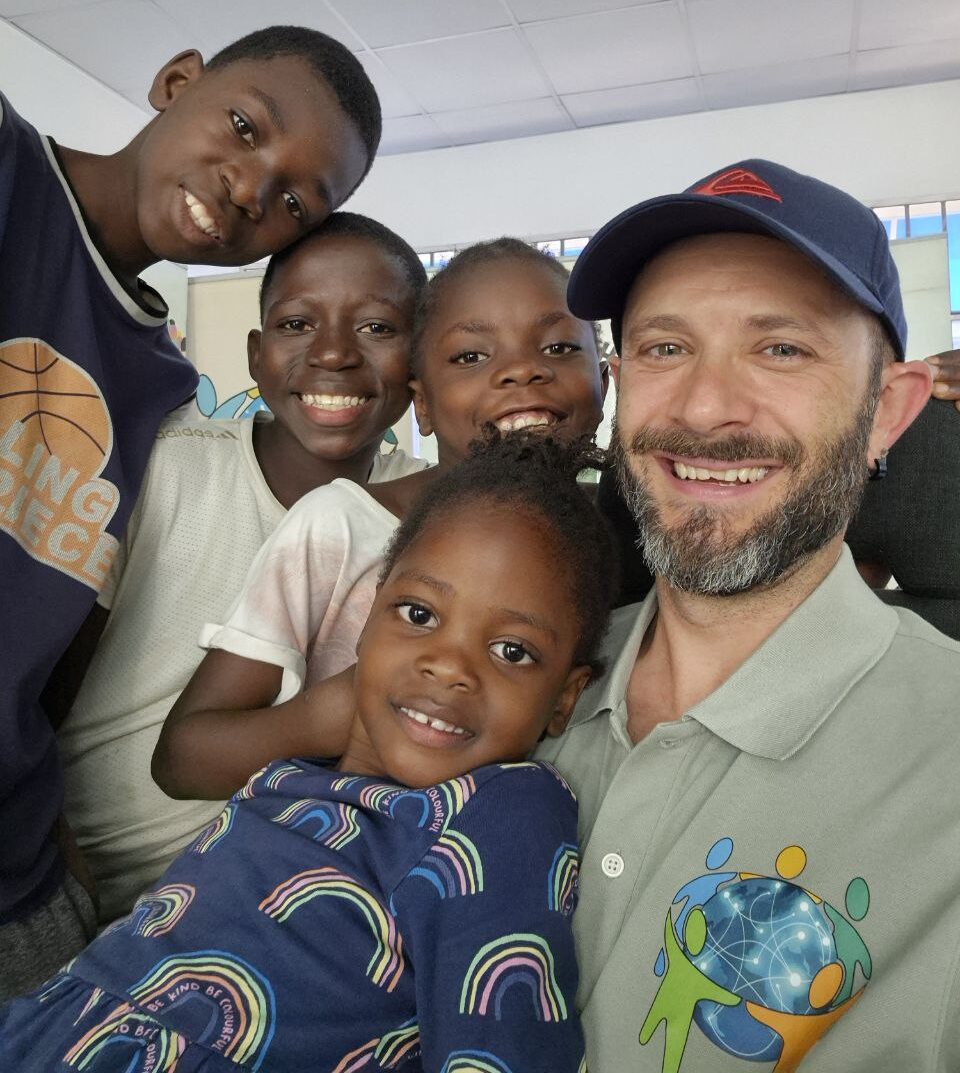
This summer, SNI’s founder, Mitch returned to Kinshasa in the Democratic Republic of Congo to visit the Bana Mayele Center, and the progress he witnessed was inspiring. What started as a simple vision — to provide orphans and vulnerable children with a safe and nurturing environment — has now grown into a thriving home and school where young lives are being transformed every day.

Children Growing in Confidence and Education

One of the most moving signs of progress has been the children’s academic achievements. Many arrived at the center speaking only their tribal languages, with little exposure to formal schooling. Today, thanks to consistent support and dedicated teachers, these same children are excelling in their studies in French — the national language of education in Congo. Some have even risen to the very top of their classes, becoming first in their year groups. Their success is proof of what a stable environment, nutritious food, and quality education can achieve.

Vocational Courses: Building Skills for Life

Beyond the classroom, the vocational training programs at Bana Mayele are flourishing, giving children and young people practical skills that build both independence and opportunity.

Join Us in Building the Future

Every act of generosity makes a difference. By sponsoring, donating, or volunteering, you become part of a story where lives are rebuilt, dreams are renewed, and children discover their true potential.

Together, we are not just changing lives — we are helping children in the DRC grow into leaders, dreamers, and changemakers.

Language and Art Classes
For many children, arriving at the center meant stepping into a world where French — the language of school and opportunity — was unfamiliar. Some spoke only their tribal languages and had never attended class. Today, they are not only learning French but English as well and thriving in it. Several have become first in their classes, showing how quickly potential flourishes when barriers are lifted. Languages have become their bridge to friendship, further studies, and future careers.

Computer Literacy
In today’s digital age, knowing how to use a computer is as essential as reading and writing. At Bana Mayele, students are discovering the digital world for the very first time — learning to type, create documents, and explore educational tools. These skills are opening doors to future education and employment, preparing them to fully participate in an increasingly connected world.

Cooking and Catering
Cooking classes are about more than preparing meals. They teach teamwork, responsibility, and pride. Children are learning to cook nutritious food, plan meals, and serve one another — skills that can translate into future work in hospitality. Just as importantly, they are experiencing the joy of sharing what they’ve created, strengthening their sense of community and belonging.

Sewing Classes
With needle and thread, children are discovering both creativity and self-reliance. From school uniforms to household items, sewing teaches patience and problem-solving. Each finished piece is a reminder that they can create something valuable with their own hands — a lesson in dignity and independence that will last a lifetime.

Gardening
In the gardens of Bana Mayele, children are getting their hands in the soil, learning to grow and care for plants. Tending vegetables and herbs teaches responsibility and respect for the land, while providing fresh, healthy food for the center. Harvesting food they’ve nurtured themselves brings joy and reinforces the lesson that with care and persistence, growth is always possible.

A Facility That’s Thriving

The Bana Mayele Center in Kinshasa continues to grow stronger each year. The children’s living environment is healthier and more stable, the classrooms are alive with learning, and the entire project is becoming more deeply rooted in the surrounding community. It is a place where orphans are not just surviving — they are thriving.

The Road Ahead

As exciting as this progress is, the challenge now is ensuring sustainability. To continue providing quality housing, food, education, and skilled teachers, we need steady support. With your partnership, we can secure the future of these children and ensure that the Bana Mayele Center remains a beacon of hope in Kinshasa for years to come.

Join Us in Building the Future

Every act of generosity makes a difference. By sponsoring, donating, or volunteering, you become part of a story where lives are rebuilt, dreams are renewed, and children discover their true potential.

Together, we are not just changing lives — we are helping children in the DRC grow into leaders, dreamers, and changemakers.

From Orphans to Caretakers – Nearly a Decade of Football, Mentorship, and Hope in Hungary

A Football Camp That Goes Beyond the Game

For nearly ten years, Sponsorship Network International has partnered with Love is the Answer Non-Profit Association in Hungary. Our collaboration is built on a shared mission: to bring hope, opportunity, and dignity to children who need it most. Over the years, this partnership has touched countless young lives, showing how consistent care and meaningful programs can create long-lasting change.
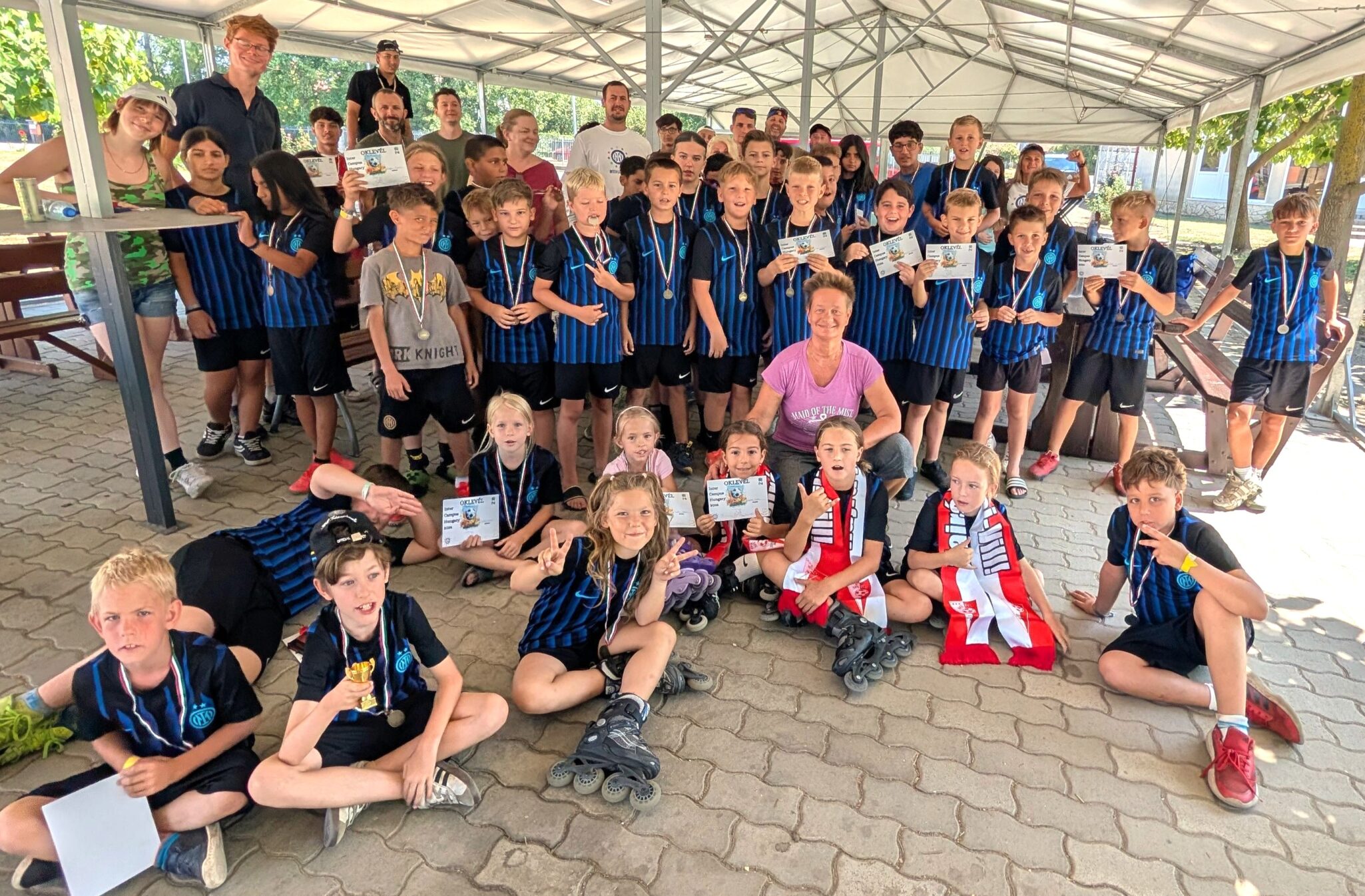
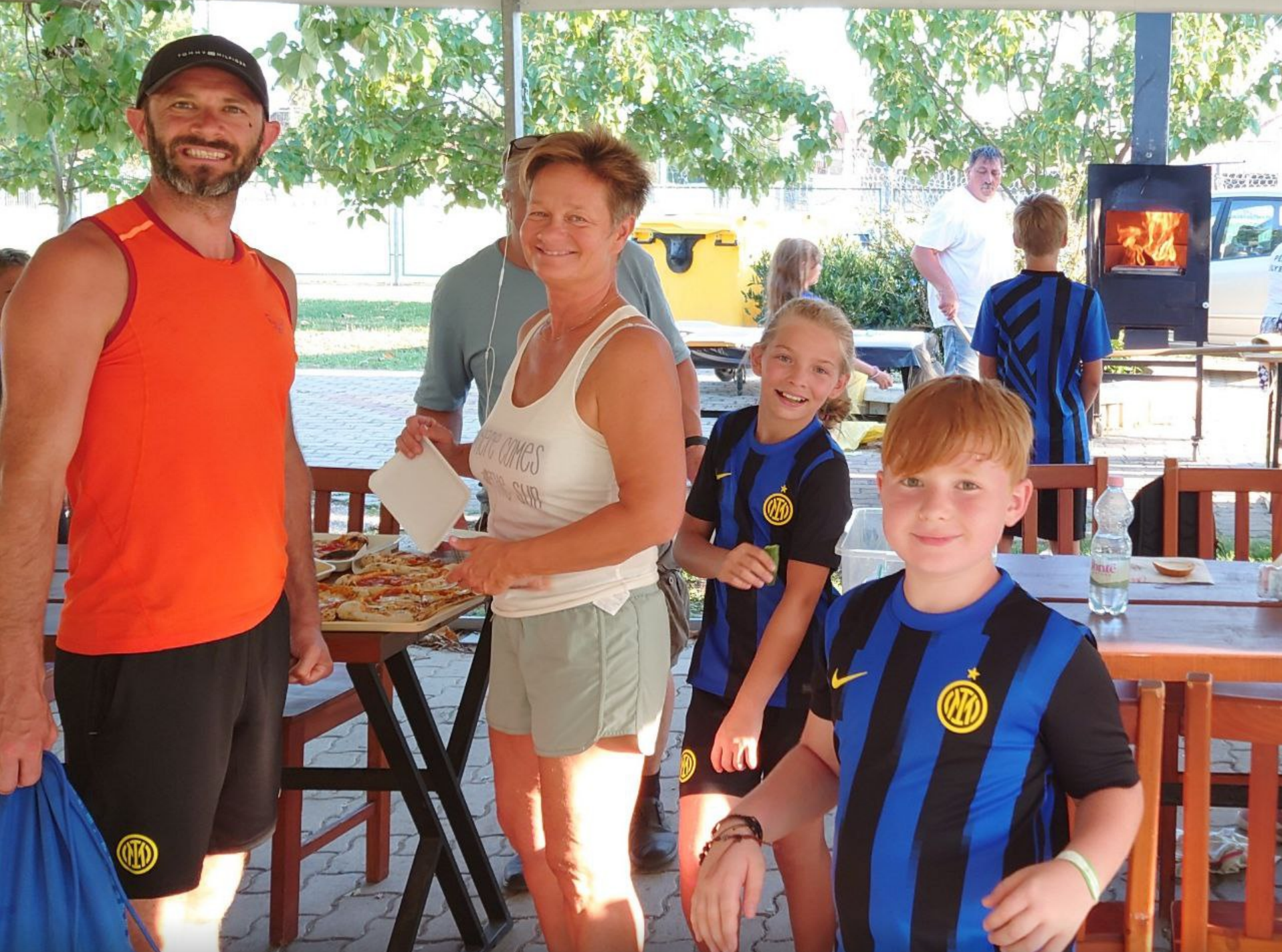
We had the joy of hosting our 15th football camp with 50 orphaned and underprivileged children.
From the very first day, the field was alive with energy — the sound of cheering, laughter, and children celebrating every goal. What unfolded, though, went far beyond football.
Through team-building games and fun activities, the kids discovered the value of trust, friendship, and working together. For many of them, it was a rare chance to feel supported, encouraged, and truly part of something bigger than themselves.
One of the most touching moments was seeing two young men, Zoli and Dani, return to the camp.
Fifteen years ago, they were orphans themselves, starting out in our Inter Campus program. Back then, they faced the same struggles as the children we work with today. But through football, mentorship, and consistent care, they found direction and hope.
This time, they didn’t come as participants — they came as coaches. Watching them guide the children with patience, lift spirits after a missed shot, and celebrate even the smallest successes was beyond moving.
Their journey has come full circle, and they now stand as living examples that with love and opportunity, lives can truly be transformed.
We are so proud of them — not just for who they have become, but for the way they now give back.
This camp was full of joy and unforgettable memories, but most of all, it was full of hope.
Hope for these children, hope for their future, and hope that with love and community, we can keep building stories like these.”

Andrea Bergner – Love is the Answer Non-profit Association

 A Note of Thanks 💙🖤

This video collage is more than just a glimpse of happy moments on the football field — it’s a reminder of what becomes possible when people come together for a cause. Our heartfelt thanks go to the dedicated team at Love is the Answer, the caregivers from Cseppkő and Szilagyi Children’s Home,  the Bihari Női Futball Klub, the wonderful food prepared by the Pénz-Ügyesek Egyesület
Many thanks to all the supporters who made this camp a reality. Because of your generosity and commitment, many have experienced not only the joy of football, but also the gift of belonging, encouragement, and hope for the future.

No Hospital, No Roads – Hope Across the Water: SNI in Uganda’s Forgotten Islands

When you believe every life matters, you go wherever you’re needed—even if that means traveling across the world, sailing for hours, and walking miles through remote villages. That’s exactly what our team at Sponsorship Network International (SNI) did on our recent mission to the Ssese Islands in Uganda.

This is a story of healing, resilience, and community—and it’s only possible because of your support.

Bringing Medical Aid to the Most Forgotten Corners

As usual, we go where others won’t—into hard-to-reach villages and islands where access to professional healthcare is nearly nonexistent. This summer, our dedicated team of doctors, nurses, social workers, and volunteers, led by SNI Director Mitch, journeyed to the Ssese Islands of Uganda to deliver free, life-saving medical care to thousands.

This wasn’t just a trip. It was a mission of love, of healing—and of proving that your support truly reaches the people who need it most.

From Entebbe to Kalangala: Rebuilding Lives, Delivering Care

After landing in Entebbe, our team took a three-hour ferry ride across Lake Victoria to reach Kalangala, the largest of the Ssese Islands. Kalangala is a place close to SNI’s heart. Two years ago, fires and a devastating tornado left the village in ruins. Families were displaced, and basic infrastructure was destroyed.

Thanks to the incredible generosity of our sponsors, SNI rebuilt 25 strong homes, giving dozens of families a safe and stable place to live. Walking through the village, seeing children laughing in front of homes you helped build—it was emotional and inspiring.

But the transformation didn’t stop at housing.

Restoring Dignity: A New School and Sanitation for 1,500 People

SNI also rebuilt the local school, now serving over 300 children, creating a clean, safe space where kids can learn and thrive.

Even more crucial was the construction of a new sewer system and five proper bathroom facilities.

Before this, 1,500 residents were sharing just two toilets. Today, they have access to basic sanitation—restoring dignity, preventing disease, and improving everyday life.

This is long-term, sustainable change—the kind of impact that goes far beyond a single mission.

Kalangala Medical Camp: Treating 1,000 Patients in a Day

With the help of local hospital staff, we set up our medical camp right in the heart of Kalangala. In just one day, we examined, diagnosed, and treated nearly 1,000 people.

Many patients had never seen a doctor before. They came early and waited patiently, some with children in tow, others supporting frail elders. We saw everything from common colds to complex, untreated illnesses.

Among the services offered:

Malaria
screenings
HIV/AIDS
testing and counseling
ENT
CARE
General
medical care

Breaking Stigma: The Life-Saving Power of HIV/AIDS Testing

In Uganda, HIV/AIDS remains a serious health crisis, especially among fishing communities. But testing is often avoided due to fear, stigma, and the emotional weight of a diagnosis.

We followed local protocols by providing licensed male and female counselors, ensuring that those who tested positive received compassionate support—and crucially, a path to free, government-provided medication.

Early detection is everything. For pregnant women, it can mean the difference between passing HIV on to their babies or saving the next generation.

Bunyama Island: Going Further to Reach the Forgotten

Our journey didn’t end at Kalangala. The next day, our team traveled to Bunyama Island, a remote location only accessible by small fishing boats. Nearly 20 of us squeezed into one boat, side by side, for the hour-long ride across the lake. When we arrived, we hiked for miles to reach the local school.

There, we were warmly welcomed by the local pastor and his wife, who offered their grounds to host our next medical camp.

People came from near and far—some walking for hours, others rowing in canoes—to seek help. We treated over 700 patients in one day. As with Kalangala, every person who needed medication received it on the spot, free of charge, thanks to SNI’s field apothecary and your donations.

Mitch on the Ground: Leadership with Heart

SNI Director Mitch personally joined the mission—not to supervise, but to serve. He crossed the waters, walked the miles, and met the people whose lives your donations are changing.

His presence meant everything. He listened to patients’ stories, worked with local leaders, and ensured that every donation is being used exactly as promised—to bring real, tangible help to those most in need.

For the people of the Ssese Islands, it meant they are seen. For our sponsors, it’s confirmation: your generosity creates impact you can trust.

Real Voices, Real Stories: Interview with Mitch and Sally, Our Local Partner

While on Bunyama, we also recorded a moving interview with our local partner, who shared firsthand how much this mission means to their community.

They spoke of the deep health challenges, the isolation of the islands, and how SNI’s support is not only healing bodies—it’s restoring faith, dignity, and a future worth building.

Your Support Makes All the Difference

Because of your partnership:

✅ 25 homes have been rebuilt
✅ A school now educates over 300 children
✅ A proper sewer system and 5 bathrooms now serve 1,500 villagers
✅ Nearly 1,700 patients received free medical care and medications
✅ Dozens of HIV+ individuals now have access to treatment
✅ Children have a safer, healthier future

This is what sponsorship looks like in action.
This is what YOU make possible.

Be Part of the Next Chapter

If you’ve ever wondered whether your donation really matters—this is the answer.

Your support reaches the most forgotten. It heals the sick, houses the homeless, educates the young, and uplifts entire communities. And we’re just getting started.

Together, we’re not just changing lives—we’re saving them. Thank you for walking this journey with us.

Restoring Not Just Buildings, But Dignity and Hope to a Whole Community

After a devastating fire followed by a powerful tornado, the village of Kalangala on Ssese Island, Uganda was left in crisis. From this devastation, an inspiring story of resilience, partnership, and renewal has emerged.

At Sponsorship Network, we believe in standing by communities during their toughest moments. That’s why we launched a focused initiative to rebuild the school in Kalangala, restore critical infrastructure, and improve access to sanitation—laying the foundation for a healthier and more hopeful future. 

We believe in standing by communities during their toughest moments. That’s why we launched a focused initiative to rebuild the school in Kalangala, restore critical infrastructure, and improve access to sanitation—laying the foundation for a healthier and more hopeful future.

Where is Kalangala?

Kalangala is the main township on Ssese Island, a remote archipelago of 84 islands scattered across the northwestern part of Lake Victoria, Africa’s largest lake and the world’s second-largest freshwater body. 

While the islands boast lush scenery and biodiversity, they remain among the most underserved regions in Uganda in terms of infrastructure, especially in rural education, healthcare, and sanitation. Projects like ours aim to change that.

School Reconstruction

The reconstruction of the UPENDO village school marks a major milestone in SNI’s grassroots development work. With new classrooms built from the ground up, students now have a safe, stable place to learn, grow, and dream again.

Education isn’t just about books—it’s also about wellbeing. That’s why the project also included:

  • A fully equipped kitchen facility to provide daily hot meals

  • Upgraded plumbing systems to support proper hygiene

  • Most importantly, five brand-new toilets, solving a long-standing crisis in the village

Tackling the Sanitation Crisis on Ssese Island

Before the rebuild, over 500 people in Kalangala were sharing a single public toilet. With no safe or private alternatives, poor sanitation put children and families at constant risk of waterborne illness.

This is not unique to Kalangala. According to UNICEF Uganda, over 22 million Ugandans still lack access to basic sanitation services. That’s why our work on Ssese Island is more than a local fix—it’s part of a much larger need.

SNI’s support led to the construction of five hygienic toilets for the school, giving students dignity, safety, and a healthier start to each day.

A Community-Driven Effort

Rebuilding after disaster takes more than funding—it takes heart. This project was made possible by:

  • Local community members who joined the reconstruction work

  • Dedicated volunteers and field partners

  • The generosity of donors who believe in long-term impact

Throughout the process, children watched their village come back to life, and parents regained hope that their children’s futures were back on track.

Progress in Pictures: See the Transformation

We’ve documented every step of the journey—from the first clearing of rubble to the final coat of paint. The smiles of the children, the proud faces of builders. For the remarkable before-and-after shots to tell the story better than words can is still to come, as our team is heading to Uganda next week to personally open the new school and help hands on with a medical camp organized by our local partners.

Why This Project Matters

This is more than a story of rebuilding—it’s a story of resilience, of dignity restored, and of futures reclaimed. The Kalangala school reconstruction project represents everything SNI stands for: community-led, sustainable, and compassionate development.

Get Involved

We’re not done yet. As the school continues to grow and serve more children, we invite you to join us. Whether through donations for school lunches, partnerships, or volunteering opportunities, your support fuels this mission.

Sponsorhip Network Intl.

[email protected]

Allmendstr. 37, 8914
Aeugst am Albis,
Switzerland

Newsletter

Sign up for our newsletter to be the first to hear about our latest plans, achievements, and news.

Preferred language:

Connect With Us

© 2026 Sponsorship Network International. All rights reserved.